
Understanding NASH HCC Screening
NASH HCC screening plays a crucial role in the early detection of liver cancer associated with Non-Alcoholic Steatohepatitis (NASH). NASH is a severe form of non-alcoholic fatty liver disease that can progress to hepatocellular carcinoma (HCC), a common type of liver cancer. This article provides insights into the importance of screening, methods, and current practices in managing and identifying at-risk individuals for timely intervention.

Introduction to NASH and HCC
Non-Alcoholic Steatohepatitis (NASH) is a progressive liver disease characterized by inflammation and damage caused by fat accumulation in the liver. Unlike other liver diseases that are primarily driven by alcohol or viral infections, NASH is associated with lifestyle-related factors and metabolic syndrome. This condition often occurs in people who are overweight or obese, and those with conditions such as type 2 diabetes and dyslipidemia. Understanding the intricacies of NASH is critical to appreciating its links to more severe liver disorders, particularly hepatocellular carcinoma (HCC), which is the prevalent form of liver cancer globally. As NASH advances, there is a considerable risk of developing HCC. This correlation highlights the importance of effective screening measures to identify at-risk patients early on, thereby facilitating timely interventions and improving outcomes.
The Importance of NASH HCC Screening
The progression from NASH to HCC is complex and involves multiple pathways, including oxidative stress, fibrogenesis, and inflammatory mediators that create a microenvironment conducive to neoplastic changes in liver cells. This makes early detection critical, as the prognosis for liver cancer is greatly dependent on its stage at diagnosis. Screening for HCC in NASH patients enables timely interventions, such as surgical resection, liver transplantation, or local ablative therapies, that can significantly improve outcomes. Furthermore, the challenges of identifying individuals at the highest risk necessitate the implementation of appropriate screening protocols. Such measures can potentially catch the disease at an earlier, more treatable stage, consequently reducing mortality rates associated with advanced liver cancer.
Current Screening Methods
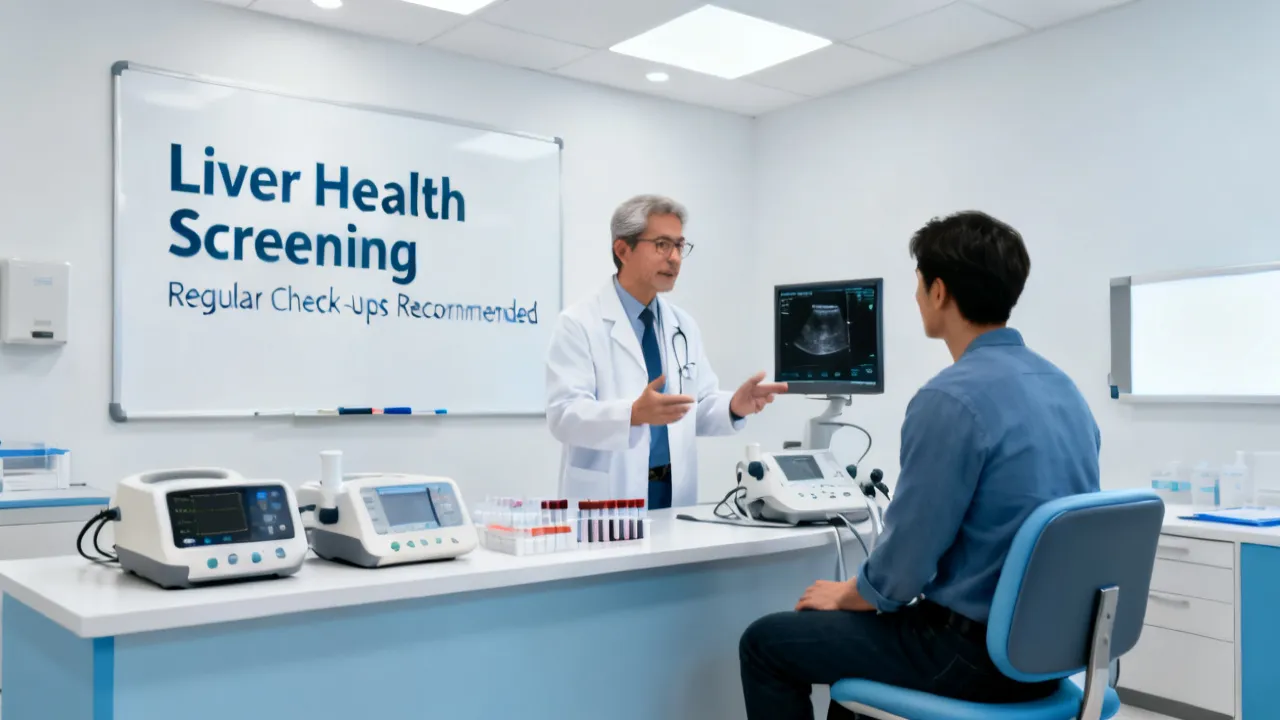
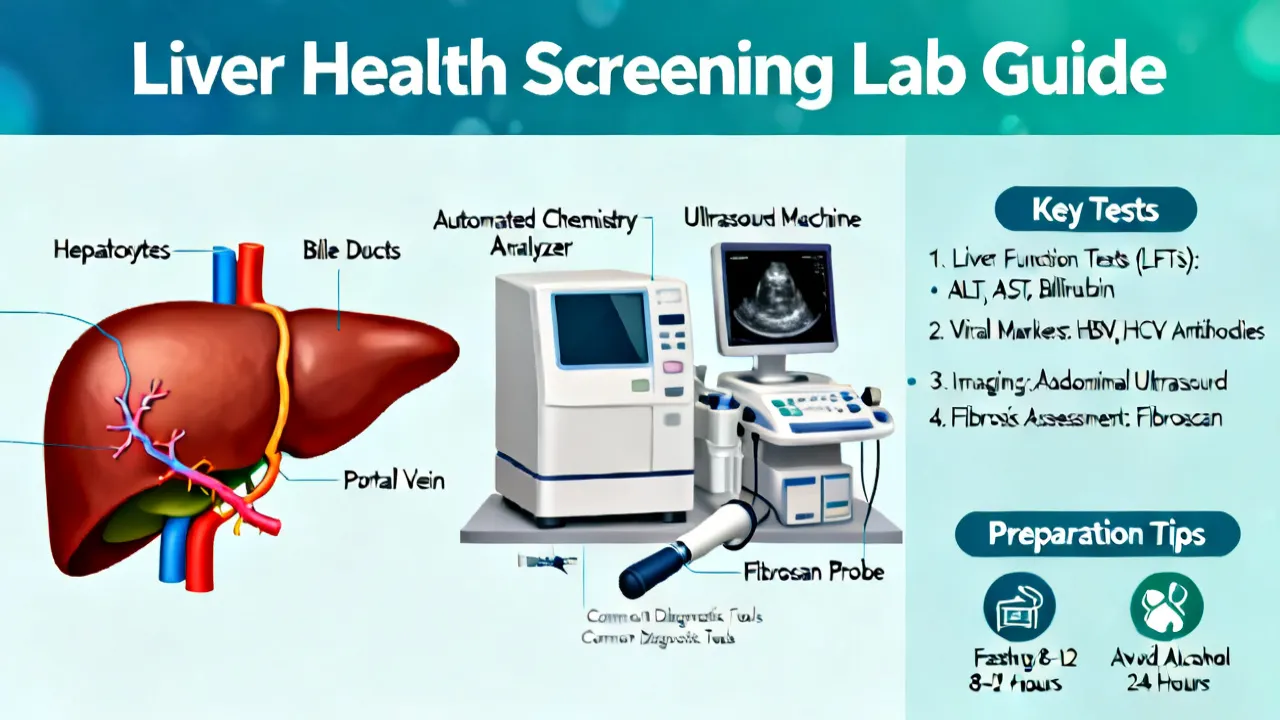
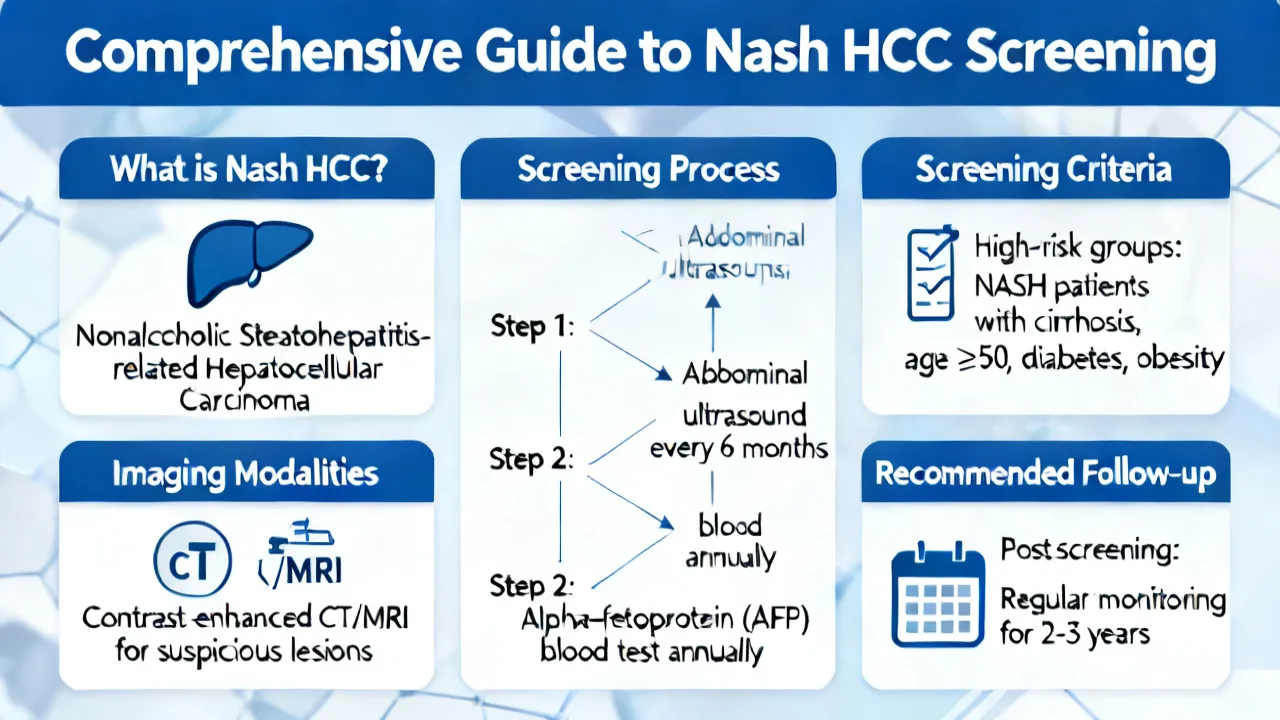
Effective NASH HCC screening employs a variety of diagnostic tools, including imaging techniques and biomarker assessments. Currently, ultrasound is the widely used initial screening test due to its non-invasive nature, cost-effectiveness, and ability to quickly evaluate the liver for any obvious abnormalities. It can identify enlarged liver size, lesions, or changes in liver texture that may suggest the presence of tumors. Despite its effectiveness, ultrasound has some limitations, including operator dependence and the potential to miss small lesions, necessitating follow-up with more definitive imaging methods if abnormalities are detected.
In addition to ultrasound, advanced imaging modalities like computed tomography (CT) scans and magnetic resonance imaging (MRI) provide significantly more detailed liver imagery and are recommended when abnormalities are found on ultrasound. These imaging techniques enhance the capacity to visualize hepatic lesions and can often characterize them better, aiding in a more accurate diagnosis. They also allow for non-invasive angiographic assessment that can help determine the vascularity of hepatic tumors—information pivotal in planning treatment strategies.
Serum biomarkers, including alpha-fetoprotein (AFP), are routinely used in conjunction with imaging studies. AFP is a tumor marker that can be elevated in patients with HCC. However, its limitations regarding specificity and sensitivity necessitate a cautious approach; not all patients with HCC will have elevated AFP levels, and some benign liver conditions can cause increased levels as well. Researchers are actively exploring additional serum biomarkers, such as des-gamma-carboxy prothrombin (DCP) and other novel biomarkers that may improve detection and precision in monitoring for HCC in NASH populations.
| Screening Method | Description |
|---|---|
| Ultrasound | A non-invasive imaging technique used to detect changes in liver tissue and structure. It is typically the first-line approach due to its accessibility. |
| CT and MRI | Advanced imaging methods providing detailed liver imagery. Recommended when abnormalities are found on ultrasound; useful for detecting small lesions and assessing blood supply. |
| Serum Biomarkers | Includes tests like alpha-fetoprotein (AFP) and des-gamma-carboxy prothrombin (DCP), although current biomarkers have limitations regarding variable sensitivity and specificity. |
Clinical Guidelines for Screening
Clinical guidelines established by hepatology societies recommend routine surveillance for HCC in patients diagnosed with NASH who also demonstrate significant liver fibrosis. The American Association for the Study of Liver Diseases (AASLD) suggests using ultrasound every six months as the primary method of screening, possibly in combination with serum AFP levels. These guidelines emphasize the need for individualized screening protocols based on specific risk factors, such as the degree of fibrosis, presence of diabetes, and other metabolic disorders.
Moreover, several studies have contributed to refining the criteria for patient selection for HCC screening. Research indicates that those with non-invasive markers indicating high liver fibrosis, such as FIB-4 or NAFLD fibrosis scores, may especially benefit from regular screening. As our understanding of NASH evolves, it's crucial to incorporate emerging evidence and adapt screening guidelines accordingly to enhance early detection efforts. The focus on high-risk cohorts will ensure that screening resources are allocated more effectively, targeting those who are most likely to develop HCC.
Challenges and Innovations in Screening
One of the primary challenges in NASH HCC screening is distinguishing early-stage cancer from benign liver conditions, such as liver adenomas or focal nodular hyperplasia, which may mimic HCC in imaging studies. Innovations in screening aim to enhance accuracy through the development of novel biomarkers and the integration of elastography—a procedure that measures tissue stiffness. Elastography, in particular, has gained prominence as it helps assess liver fibrosis progression, an important predictor of HCC risk. Furthermore, advancements in imaging technology, such as contrast-enhanced ultrasound, allow for enhanced visualization of liver lesions, thereby aiding in the differentiation of malignant from benign lesions.
Another challenge lies in the accessibility and cost of advanced imaging modalities, which may not be available in all healthcare settings. The burden of NASH and its progression to HCC requires a multifaceted approach that includes educating healthcare providers on recognizing risk factors, understanding the necessity of timely screening, and ensuring resources are directed to those who need them most. Ongoing research is attempting to streamline these protocols to facilitate easier implementation in clinical practice, potentially utilizing machine learning and artificial intelligence to flag high-risk patients based on their clinical profiles.
Global Perspectives on NASH HCC Screening
Screening practices can vary significantly across different regions, influenced by healthcare resources, the prevalence of metabolic disorders, and liver disease awareness. In some countries, resources may be limited, which can lead to underdiagnosis and high mortality rates associated with HCC. Regional workshops and guidelines, often spearheaded by professional hepatology associations, offer tailored recommendations to optimize screening efforts in specific populations. For instance, in developing nations where access to advanced imaging modalities is limited, relying on less expensive and more accessible screening methods, such as ultrasound combined with clinical risk assessment, becomes essential.
The economic burden of liver disease due to NASH can place significant strain on healthcare systems, prompting public health initiatives aimed at educating communities about lifestyle modifications that can reduce their risk factors. Programs designed to promote weight loss, increase physical activity, and improve dietary habits can play a pivotal role in mitigating the effects of NASH, ultimately reducing the incidence of associated HCC. These preventive strategies are crucial, particularly in regions with a rising prevalence of obesity and diabetes, which contribute to the increasing rates of NASH and, subsequently, liver cancer.
Emerging Research and Future Directions
As research advances, innovative approaches in the understanding and management of NASH and its progression to HCC are underway. Ongoing clinical trials are exploring novel therapeutic strategies aimed at addressing the underlying metabolic derangements associated with NASH. These include pharmacological agents that target liver fat accumulation, inflammatory pathways, and fibrogenesis, as well as lifestyle interventions such as diet modification and exercise programs tailored to improve liver health.
Recent studies have also begun to uncover the genetic and molecular underpinnings of NASH and its progression to HCC. Identifying genetic predispositions can lead to the development of specific screening protocols for those most at risk. Furthermore, advances in liquid biopsy technology, which allows for the detection of circulating tumor DNA or other cancer-associated markers in blood samples, represent a promising frontier in HCC screening. Such minimally invasive tools could be integrated into routine clinical assessments, streamlining the identification of malignancies before they progress.
FAQs
- Why is screening for HCC important in patients with NASH? Screening is crucial because early detection of HCC can lead to more effective treatments and improved survival rates among patients. The risk of progression links closely with earlier interventions.
- What are the signs that someone should undergo NASH HCC screening? Individuals with risk factors such as significant liver fibrosis, obesity, type 2 diabetes, or elevated liver enzymes are typically considered for screening. Regular assessments help stratify individuals by risk level effectively.
- How often should NASH patients be screened for HCC? The screening frequency can depend on the individual's risk factors, ranging from every six months to annually. Determination of this schedule should involve healthcare professionals to account for individual health dynamics.
- What advancements are being made in NASH and HCC screening? New biomarkers and advanced imaging techniques are being studied to improve screening accuracy. Techniques like elastography and machine learning integration into screening protocols are promising areas of research.
Conclusion
NASH HCC screening is an evolving area of medical practice aimed at effectively managing liver cancer risk associated with NASH. With the rise in obesity and metabolic syndrome globally, it is imperative that healthcare systems adapt to meet the challenges posed by this chronic disease. Continued efforts to improve screening accuracy, develop cost-effective diagnostic methods, and implement lifestyle interventions remain critical in addressing this growing public health challenge. Through proactive screening and early management strategies, outcomes for patients with NASH are steadily improving. As our understanding of NASH and its progression to HCC deepens, targeted approaches aimed at high-risk populations will become increasingly integral in saving lives and improving patient quality of life.