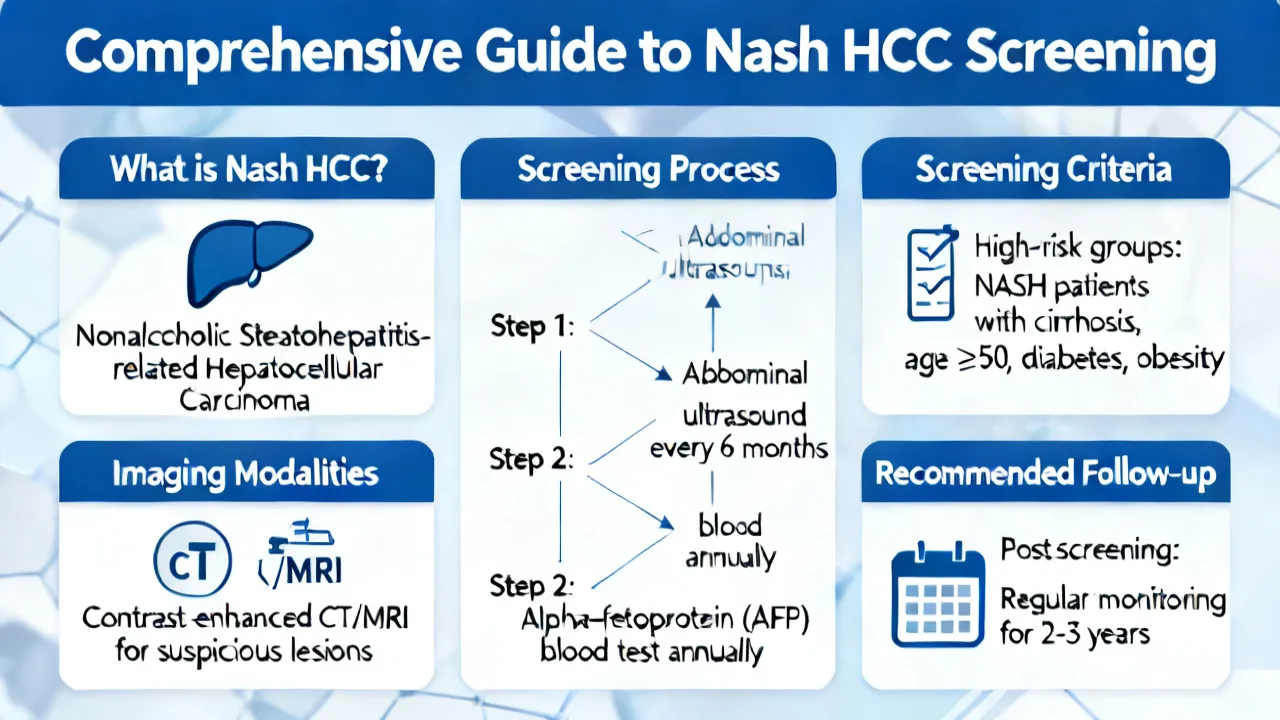

Comprehensive Guide to NASH HCC Screening
NASH HCC Screening is crucial for early detection and management of liver complications such as non-alcoholic steatohepatitis and hepatocellular carcinoma. Screening helps in identifying individuals at risk before symptoms develop. With advancements in medical technology, screening has become more precise, providing hope for better therapeutic outcomes and patient care in the ongoing battle against liver diseases.
Understanding NASH and HCC
Non-alcoholic steatohepatitis (NASH) is a severe form of fatty liver disease that can lead to hepatocellular carcinoma (HCC), the very common type of liver cancer. The prevalence of these conditions is rising globally, with lifestyle factors such as diet and physical activity contributing significantly. Regular screening for NASH HCC is vital for at-risk populations to prevent progression to advanced liver disease. NASH is characterized by the accumulation of fat in the liver in individuals who consume little or no alcohol, with inflammation and damage to liver cells. This can progress to fibrosis, where scar tissue forms in the liver, and eventually to cirrhosis, which vastly increases the risk of HCC.
Importance of NASH HCC Screening
Screening for NASH HCC is a preventive measure aimed at identifying liver abnormalities early. This allows healthcare professionals to intervene with lifestyle changes, medical management, or even surgical options before the disease reaches a critical stage. Recent studies indicate that early detection through comprehensive screening programs can significantly improve survival rates and reduce healthcare costs. Furthermore, the importance of screening extends beyond individual patient outcomes; it encompasses public health perspectives by potentially reducing the burden of liver disease on healthcare systems. Identifying and treating NASH and HCC early can help alleviate the long-term consequences on both patients and healthcare resources.
Current Screening Methods
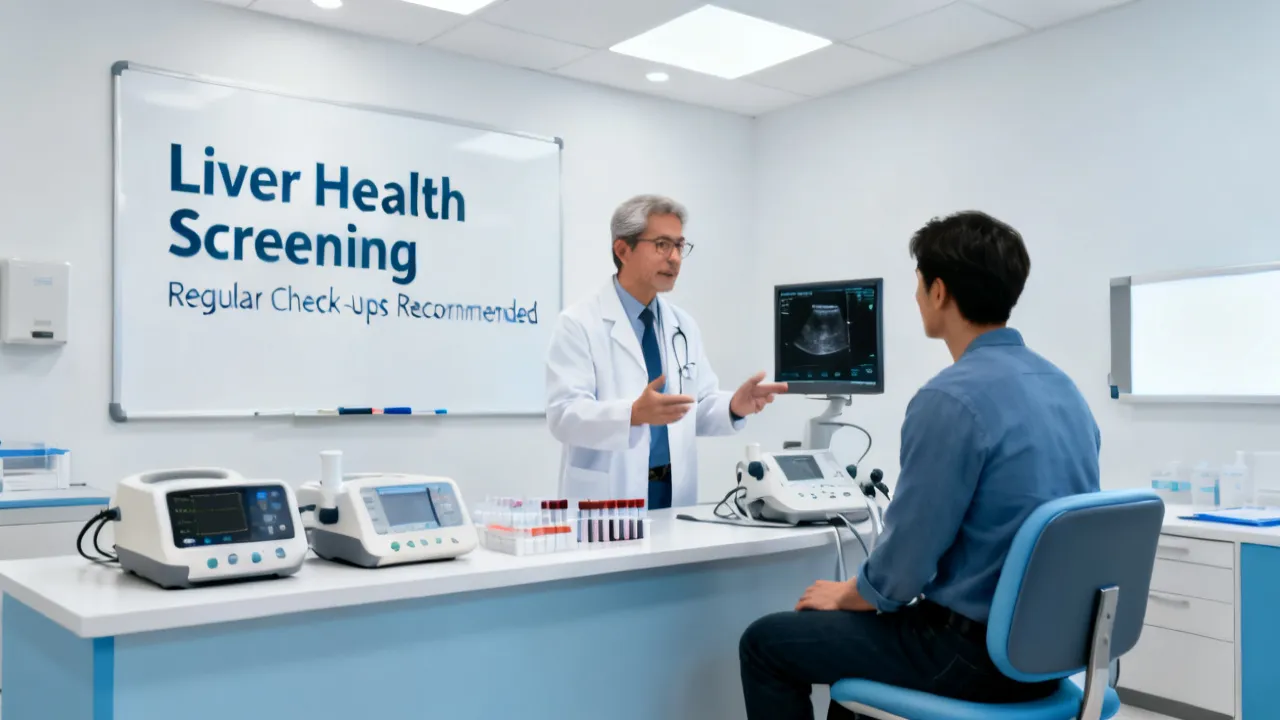
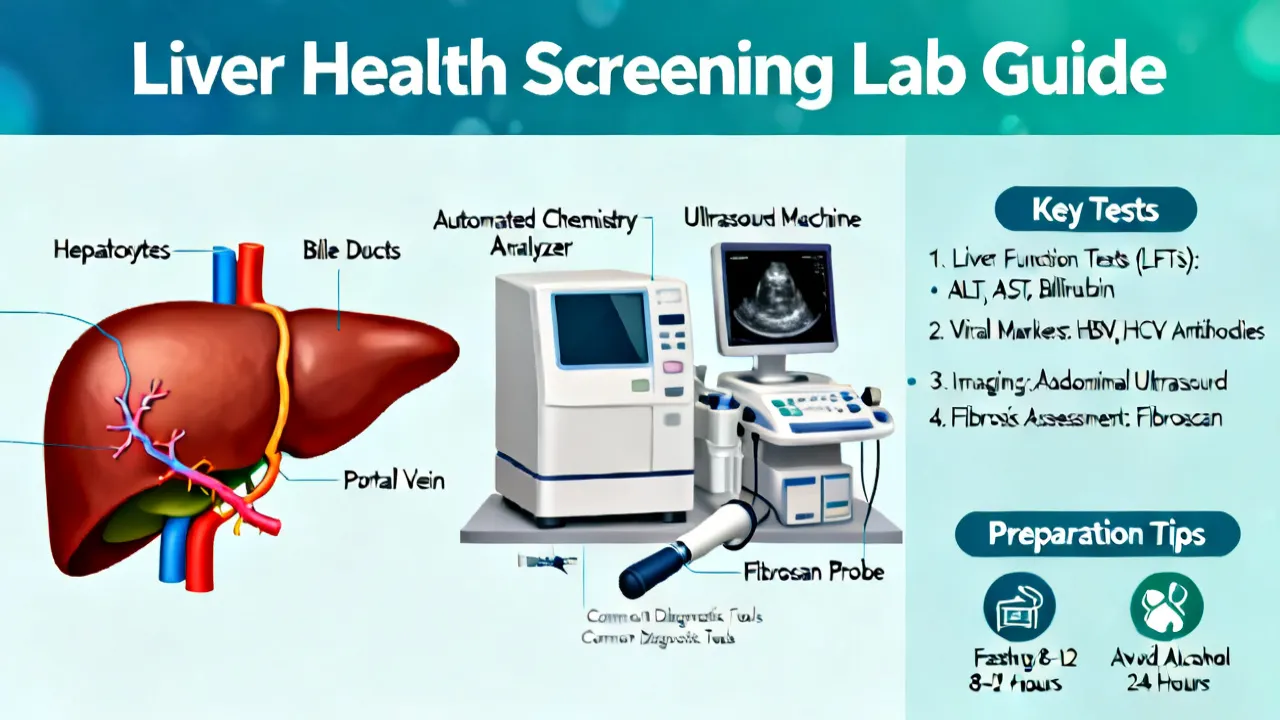
The primary screening methods for NASH and HCC include blood tests, imaging techniques, and biopsy. Blood tests typically evaluate liver enzymes and other markers of liver health, such as alanine aminotransferase (ALT) and aspartate aminotransferase (AST), which can indicate liver cell injury. Additionally, tests for bilirubin levels, albumin, and prothrombin time provide insights into liver function. Imaging techniques such as ultrasound, CT, and MRI scans provide detailed views of the liver's structure, helping identify lesions or fatty deposits. These imaging modalities are critical not only for diagnosing liver conditions but also for assessing the extent of liver damage and fibrosis. Though invasive, a liver biopsy remains a definitive method for diagnosing changes at the cellular level. It provides direct information about the degree of steatosis, inflammation, fibrosis, and potential malignancy within the liver.
Advancements in Screening Technology
The advent of novel screening technologies, such as FibroScan and advanced MRI modalities, has revolutionized the NASH HCC screening landscape. FibroScan, an ultra-sound-based technology, non-invasively measures liver stiffness, which correlates with the amount of fibrosis present in the liver. This tool has proved pivotal as it allows for repeat assessments without risk associated with traditional biopsy procedures. Similarly, advanced MRI techniques, such as magnetic resonance elastography (MRE), offer significant advantages in visualizing liver stiffness and fat content, aiding in the precise staging of liver fibrosis and steatosis. These advancements represent a significant step forward, providing more accessible and less invasive options for patients while retaining accurate diagnostic capabilities. As a result of these innovations, healthcare providers can monitor patients more closely, adjusting treatment plans swiftly based on their liver health trajectory.
NASH HCC Screening: A Step-by-Step Guide
| Step | Procedure |
|---|---|
| 1 | Initial Consultation: Discuss symptoms and risk factors with a healthcare professional. |
| 2 | Blood Tests: Undergo liver function tests to check enzymes and bilirubin levels. |
| 3 | Imaging Studies: Receive an ultrasound, CT, or MRI to visualize liver abnormalities. |
| 4 | Specialized Testing: Consider advanced imaging techniques if initial results are inconclusive. |
| 5 | Biopsy: Confirm diagnosis through a biopsy if non-invasive tests indicate significant disease presence. |
Following the outlined steps helps streamline the screening process, ensuring that healthcare providers can quickly identify at-risk individuals and initiate timely management. Beyond the physical examinations, healthcare professionals also engage patients in discussions about their medical history, medication use, weight changes, and lifestyle habits that might influence liver health. These discussions are crucial for tailoring prevention strategies and management plans.
Population at Risk
Individuals with risk factors such as obesity, diabetes, metabolic syndrome, and a family history of liver disease should undergo regular NASH HCC screening. Clinicians recommend screenings for those over 50 or with significant lifestyle-related risk profiles. The connection between obesity and NASH has drawn particular attention, as studies show that overweight individuals are significantly more likely to have liver fat deposition. Moreover, patients with type 2 diabetes exhibit heightened inflammation and stress on liver cells, which could hasten the progression from NASH to cirrhosis and potentially to HCC. Additionally, emerging evidence suggests a strong relationship between sedentary lifestyle and the occurrence of NASH, prompting experts to advocate for lifestyle interventions that include increased physical activity as part of risk mitigation strategies.
Managing Detected Cases
Early-stage NASH can often be managed with lifestyle interventions such as weight loss, dietary adjustments, and increased physical activity. Research indicates that a weight reduction of as little as 5% can lead to significant improvements in liver histology. A controlled diet emphasizing a balanced intake of healthy carbohydrates, lean proteins, and good fats can support liver health. Pharmacological treatments, including pioglitazone and vitamin E, have shown promise in managing NASH symptoms; however, these therapies must be utilized with caution, considering potential side effects and individual patient profiles. For advanced stages where HCC is present, treatment options can become more complex and may range from surgical resection, ablation therapies, and systemic treatments, to liver transplantation, depending on the cancer stage, the number and size of tumors, and the liver's functional status. Understanding the nuances of risk management and treatment options is essential for improving patient outcomes and guiding care decisions in patients at risk of or diagnosed with NASH and HCC.
FAQs
Q: What is the primary purpose of NASH HCC screening?
A: The primary purpose is to identify individuals with early liver changes suggestive of NASH or HCC, enabling proactive management to prevent disease progression.
Q: Are there any risks associated with liver biopsies?
A: While liver biopsies are generally safe, they carry risks such as bleeding, infection, or pain at the biopsy site. Careful patient selection and prior assessment are critical components of minimizing such risks.
Q: Is imaging sufficient for diagnosing NASH?
A: Imaging provides critical information but often needs to be corroborated with blood tests and, in some cases, a biopsy for a conclusive diagnosis. The combination of non-invasive imaging and serological markers together form a complete picture of liver health.
Q: How can lifestyle changes affect NASH and the risk of HCC?
A: Engaging in regular physical activity, adopting a balanced diet, and maintaining a healthy weight can significantly reduce liver fat and inflammation, effectively managing NASH and potentially delaying or preventing the development of HCC.
Q: Is liver cancer survivable if detected early?
A: Yes, early-stage HCC has a much better prognosis than advanced stages. Treatments such as liver resection or transplantation have improved survival rates for early-diagnosed patients demonstrating the importance of early screening.
In conclusion, diligent NASH HCC screening is an integral component of liver health management. Advances in imaging and non-invasive techniques continue to enhance diagnostic accuracy, making early intervention more achievable and effective. As the prevalence of NASH and HCC continues to rise, primarily due to increasing obesity rates and sedentary lifestyles, a focus on screening and early diagnosis becomes crucial for improving patient outcomes. Ongoing research endeavors to refine current screening protocols and treatment pathways promise to elevate care standards, thus reducing the burden of liver diseases within our communities. Furthermore, it is paramount for both patients and healthcare providers to engage in a dialogue that prioritizes awareness surrounding liver health, championing regular check-ups and lifestyle modifications that contribute to the prevention of NASH and HCC.