
Unveiling Nash Hcc Screening Importance
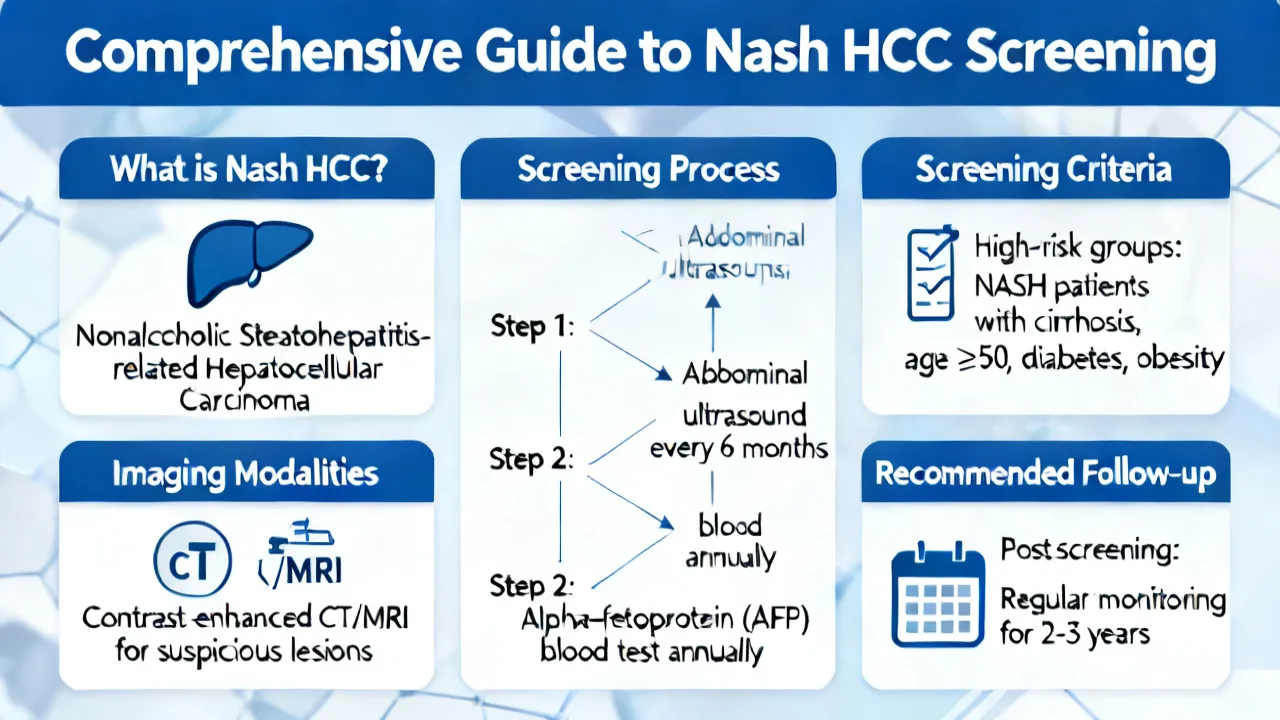
Understanding the implications of Nash Hcc Screening is crucial in medical diagnostics, particularly for liver-related health issues. With advancements in medical technology, Nash Hcc Screening has emerged as a pivotal procedure in identifying and managing conditions affecting liver health, notably Nonalcoholic Steatohepatitis (NASH) and Hepatocellular Carcinoma (HCC). This comprehensive article delves into the significance, process, and advancements in Nash Hcc Screening, offering insights from medical experts on its role in predictive diagnostics and patient management.
Understanding Nash Hcc Screening
The importance of Nash Hcc Screening cannot be overstated in contemporary medical practices, particularly in the realm of liver health. Nonalcoholic Steatohepatitis (NASH) and Hepatocellular Carcinoma (HCC) represent complex hepatic conditions requiring early detection and accurate diagnosis. As the medical community evolves with technological advancements, the advent of sophisticated screening tools has marked a significant leap forward, particularly in regions nearby where liver disease prevalence remains a concerning public health issue. Consequently, understanding the mechanisms behind these diseases, their causes, implications, and the screening modalities available is crucial in addressing this public health challenge.
The Vital Role of Nash Hcc Screening in Liver Health
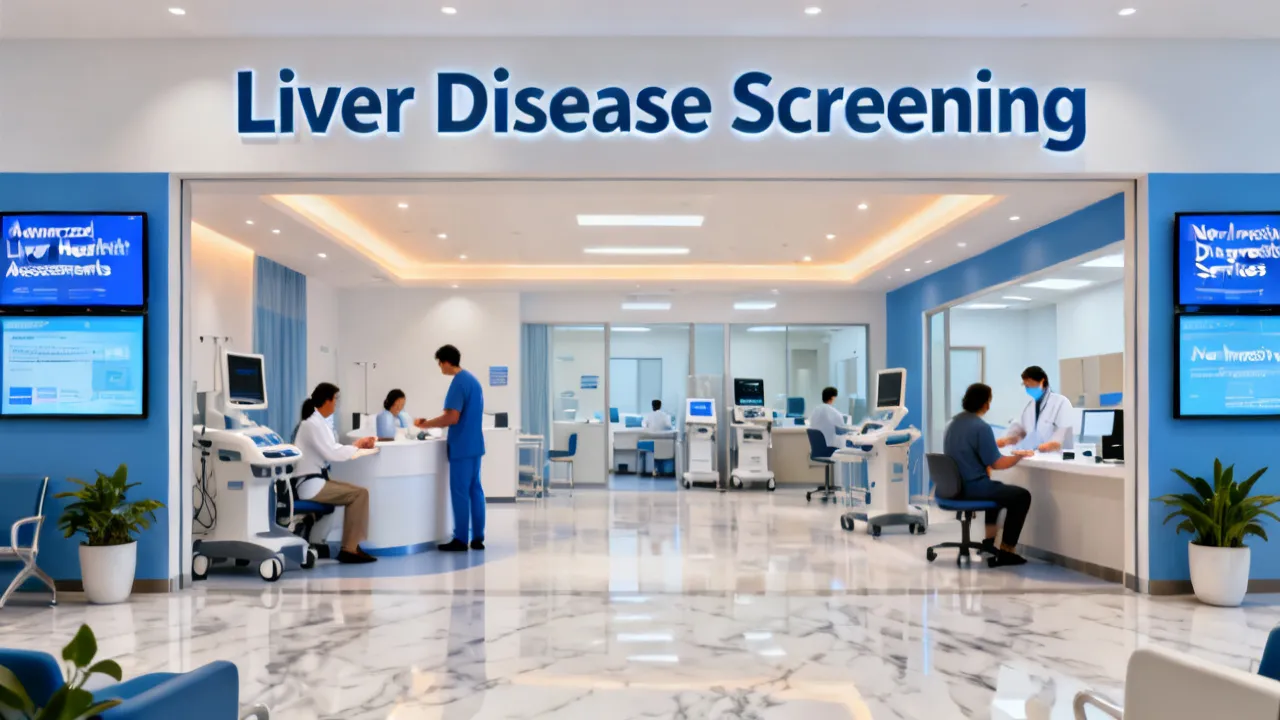
Nash Hcc Screening forms a cornerstone in proactive liver health management. By identifying and monitoring liver diseases in their nascent stages, healthcare providers can implement timely interventions. Such screenings are vital for patients exhibiting risk factors such as obesity, diabetes, or a family history of liver diseases, as these can elevate the likelihood of developing NASH and subsequent HCC. The rising incidence of obesity and metabolic syndromes worldwide has significantly contributed to an increase in liver-related health complications, making it more important than ever to address this through systematic screening and preventive healthcare management.
Additionally, as NASH is often asymptomatic in its early stages, routine screening becomes essential. Without screening, many patients may be unaware of their condition until it has advanced to a more severe state, leading to complications such as cirrhosis or liver cancer. Proactive screening and monitoring strategies can facilitate lifestyle modifications and medical interventions, ultimately improving long-term outcomes for patients and reducing the healthcare burden associated with advanced liver diseases.
The Screening Process: An In-depth Look
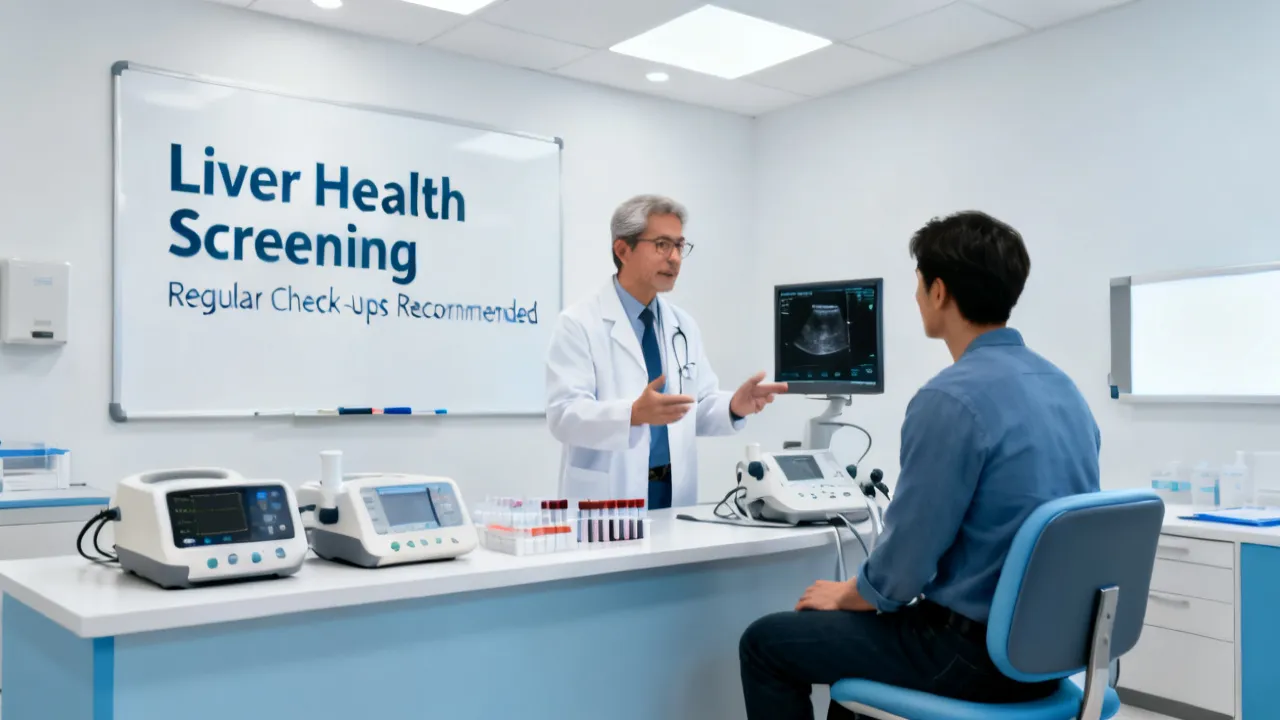
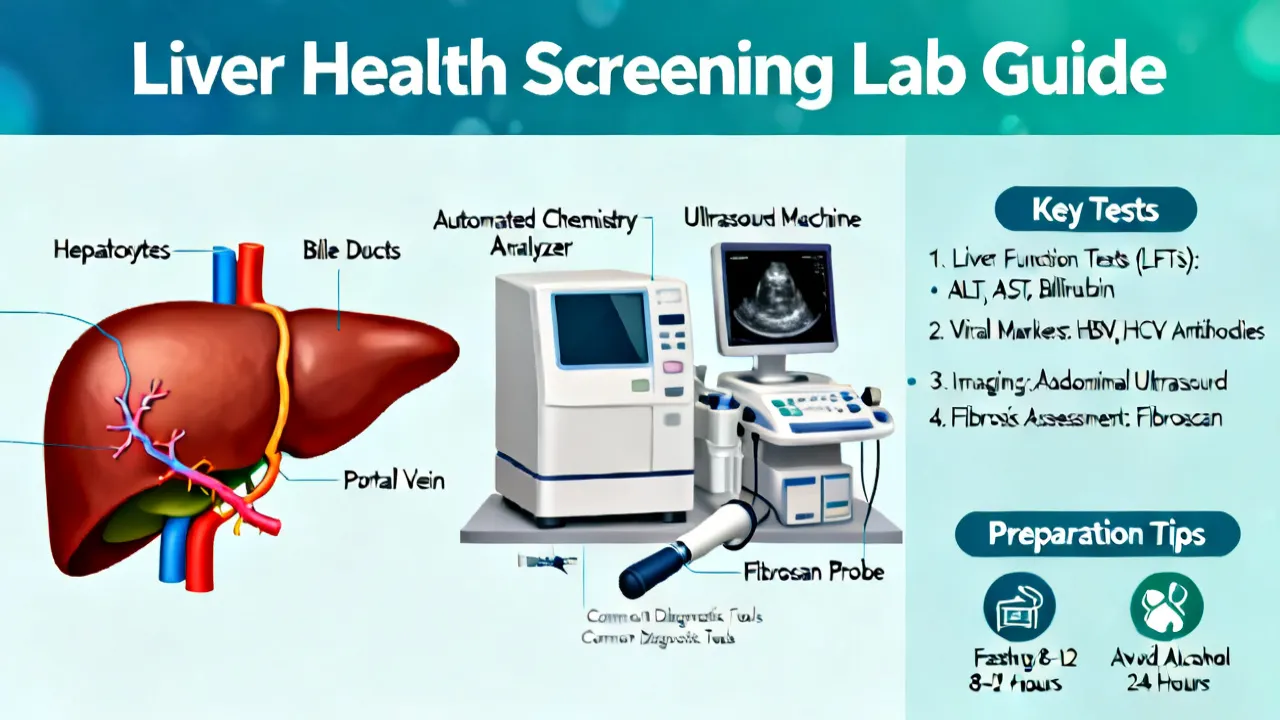
Nash Hcc Screening encompasses a combination of imaging tests, blood tests, and sometimes even biopsy procedures. Imaging modalities like ultrasound elastography and MRI liver scans enable the visualization of liver stiffness—a critical parameter indicating fibrosis, a precursor to more severe hepatic conditions. These imaging techniques have evolved over the years, providing increased accuracy and decreased patient discomfort compared to traditional methods.
Blood tests focus on biomarkers that signify liver damage or dysfunction, tailoring the diagnostic approach to individual patient profiles. Commonly assessed biomarkers include alanine aminotransferase (ALT), aspartate aminotransferase (AST), and gamma-glutamyl transferase (GGT).
Furthermore, the identification of non-invasive markers for liver fibrosis and inflammation has made significant inroads in NASH HCC Screening. The development of scoring systems such as the NAFLD Fibrosis Score and the Fibrosis-4 (FIB-4) Index helps in assessing fibrosis risk without the need for invasive biopsies. These scores utilize routine laboratory tests and patient demographics to estimate the likelihood of significant liver fibrosis, allowing for better triaging of patients who may require further diagnostic evaluation.
Technological Advances Enhancing Screening Accuracy
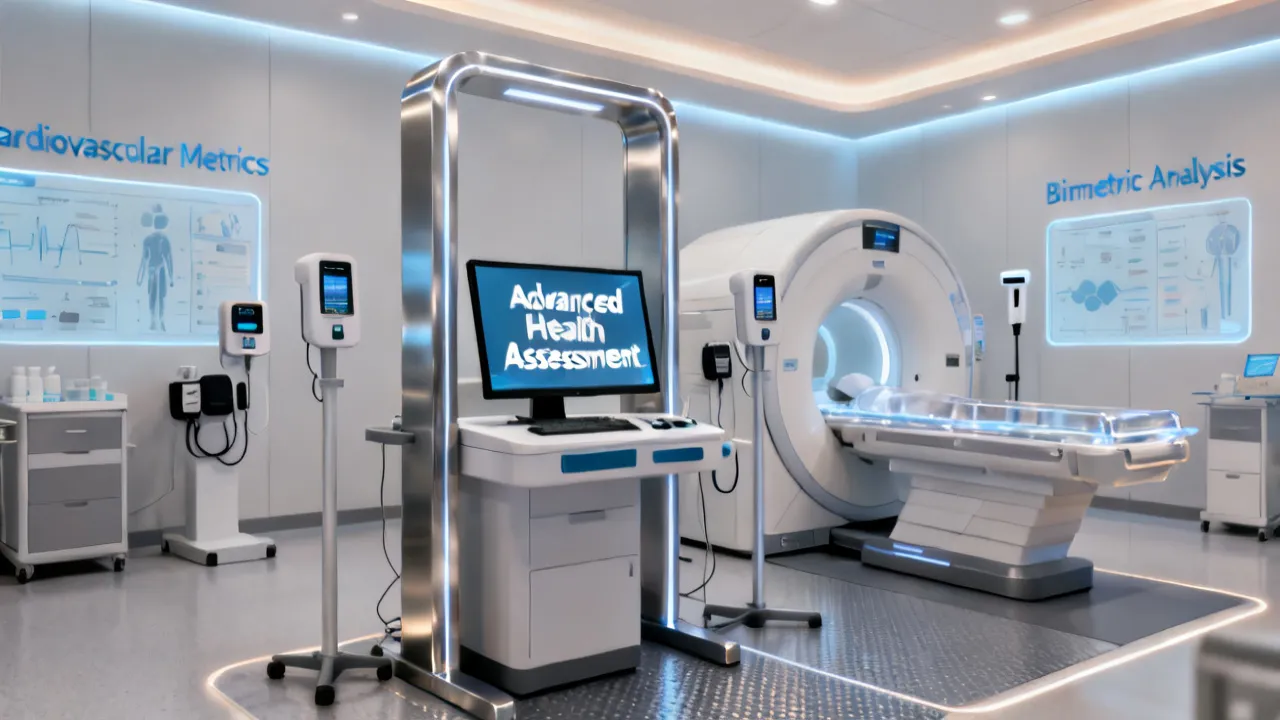
Recent innovations in medical technology have dramatically enhanced the precision and reliability of Nash Hcc Screenings. The integration of artificial intelligence (AI) and machine learning in diagnostic imaging leads to improved analysis and interpretation of complex data patterns. These technologies can discern subtle changes in imaging studies that human observers might overlook, thus improving diagnostic accuracy and outcomes.
For instance, AI algorithms are being trained on vast datasets of imaging studies, enabling them to detect features indicative of NASH and HCC consistently. This development minimizes interobserver variability, a significant challenge in radiology, thereby providing more standardized interpretations of imaging results.
Furthermore, the adoption of liquid biopsy techniques is emerging, offering non-invasive yet highly accurate options for detecting cancerous changes at a molecular level. This form of testing analyzes circulating tumor DNA or RNA in the bloodstream, providing insights into tumor presence and characteristics without the need for tissue samples. Ongoing research in the integration of multi-omics—combining genomics, proteomics, and metabolomics—holds promise for developing comprehensive screening modalities that can predict liver disease progression more effectively.
| Procedure | Description | Advantage |
|---|---|---|
| Ultrasound Elastography | Measures liver stiffness to assess fibrosis. | Non-invasive and immediate results. |
| MRI Scans | Detailed imaging of liver structure. | High accuracy in detecting liver changes. |
| Blood Biomarker Tests | Identifies indicators of liver damage. | Quick and efficient for routine checks. |
| Liquid Biopsy | Detects cancerous changes at a molecular level. | Minimally invasive with high sensitivity. |
Challenges and Considerations in Nash Hcc Screening
Despite the progression in screening technologies, several challenges persist in the widespread implementation of Nash Hcc Screening. One significant hurdle is the accessibility and cost-effectiveness of advanced diagnostic tools, particularly in rural and underserved areas. As the majority of advanced imaging modalities and comprehensive screening tests might not be routinely available in all healthcare settings, disparities in access can lead to inequalities in health outcomes. Governments and health organizations must address these gaps to ensure equitable healthcare access for all populations.
Additionally, the interpretation of screening results requires specialized knowledge to avoid misdiagnosis and to ensure that patients receive the most appropriate follow-up care. Clinicians must be adequately trained to interpret complex screening results effectively and integrate them into a patient's overall clinical picture. This skill is essential, considering the multifaceted nature of liver diseases, where overlapping symptoms can often cloud the diagnoses. These challenges necessitate ongoing education and training for healthcare providers and support for collaborative multidisciplinary care to manage patients effectively.
Moreover, there is a crucial need for public awareness and education regarding liver diseases, particularly NASH and HCC. Many people are unaware of the risk factors associated with these conditions, leading to late presentations at healthcare facilities. Public health campaigns that emphasize lifestyle modifications, routine screenings for high-risk populations, and education about liver health can play an essential role in improving outcomes and reducing the burden of liver disease.
FAQs
Q1: What is the primary purpose of Nash Hcc Screening?
A1: The primary purpose is to detect early signs of NASH and HCC for timely intervention and treatment, thus preventing severe liver damage. Early identification can facilitate lifestyle changes and medical interventions that improve long-term patient prognosis.
Q2: How often should one undergo Nash Hcc Screening?
A2: The frequency depends on individual risk factors and medical history, but patients with high-risk profiles are advised regular screenings as recommended by their healthcare providers. Typically, those with obesity or metabolic syndrome may require annual screening, while lower-risk individuals might be screened every few years.
Q3: Are there any risks associated with these screenings?
A3: While generally safe, certain procedures like biopsies carry minor risks, such as bleeding or infection. However, these are rare and usually outweighed by the benefits of early detection. Non-invasive testing methods, which are increasingly preferred, significantly mitigate these risks while maintaining diagnostic efficacy.
Case Studies: The Impact of Nash Hcc Screening
While statistical data and clinical trial evidence underscore the significance of Nash Hcc Screening, real-world case studies provide tangible examples of how early detection directly influences patient outcomes. In many environments, patients diagnosed with early-stage NASH have benefited substantially from lifestyle modifications, pharmaceutical interventions, and regular monitoring. For instance, in a community hospital setting, a cohort of patients with early-stage NASH underwent lifestyle intervention programs, including tailored diet and exercise regimens. After implementing routine screenings, significant improvements in liver function tests and imaging results were observed over a span of six months, highlighting the positive impact of early detection on disease management.
Additionally, physicians reported reduced incidences of disease progression to HCC in patients engaged in regular screenings. For example, a group of patients with established cirrhosis who adhered to regular monitoring protocols demonstrated significantly lower rates of tumor development compared to similar cohorts who did not undergo routine screenings. These case studies highlight the critical importance of Nash Hcc Screening not only for individual patient outcomes but also for broader public health strategies aimed at combating liver disease.
Conclusion: The Future of Liver Health Management
The ongoing advancements in Nash Hcc Screening signal a promising future for liver health management. By facilitating early detection and monitoring of liver diseases, these screenings lay the groundwork for more personalized and effective treatment strategies. Ongoing research into emerging technologies and biomarkers will undoubtedly improve screening accuracy and patient stratification, paving the path for individualized therapeutic approaches.
Furthermore, international collaborations and shared research endeavors can bolster understanding and efficacy in managing NASH and HCC globally. As healthcare providers contribute to advancing medical knowledge and practice, future efforts must continually advocate for enhanced access to screening technologies for all populations, regardless of geographic or socioeconomic barriers. This collective effort will help to ensure that liver health management becomes increasingly proactive, equitable, and successful, ultimately saving lives and reducing healthcare burdens associated with liver diseases.