
Understanding Nash Hcc Screening
Analyzing the significance of Nash Hcc Screening, this article explores its role in early detection of liver complications. "Nash", or Nonalcoholic Steatohepatitis, leads to cancer if unchecked. Early screening is key for prevention. The article offers expert insights on screening processes, benefits, challenges, and potential technological advancements in the field.
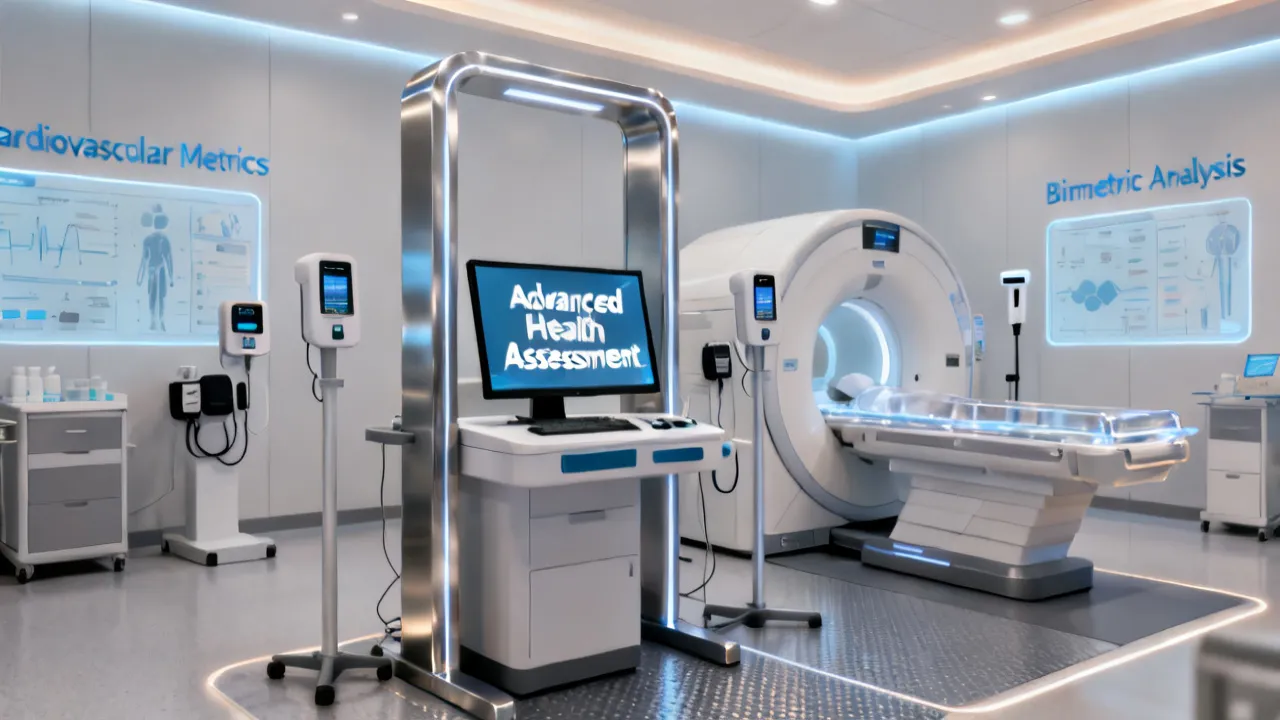
Introduction to Nash Hcc Screening
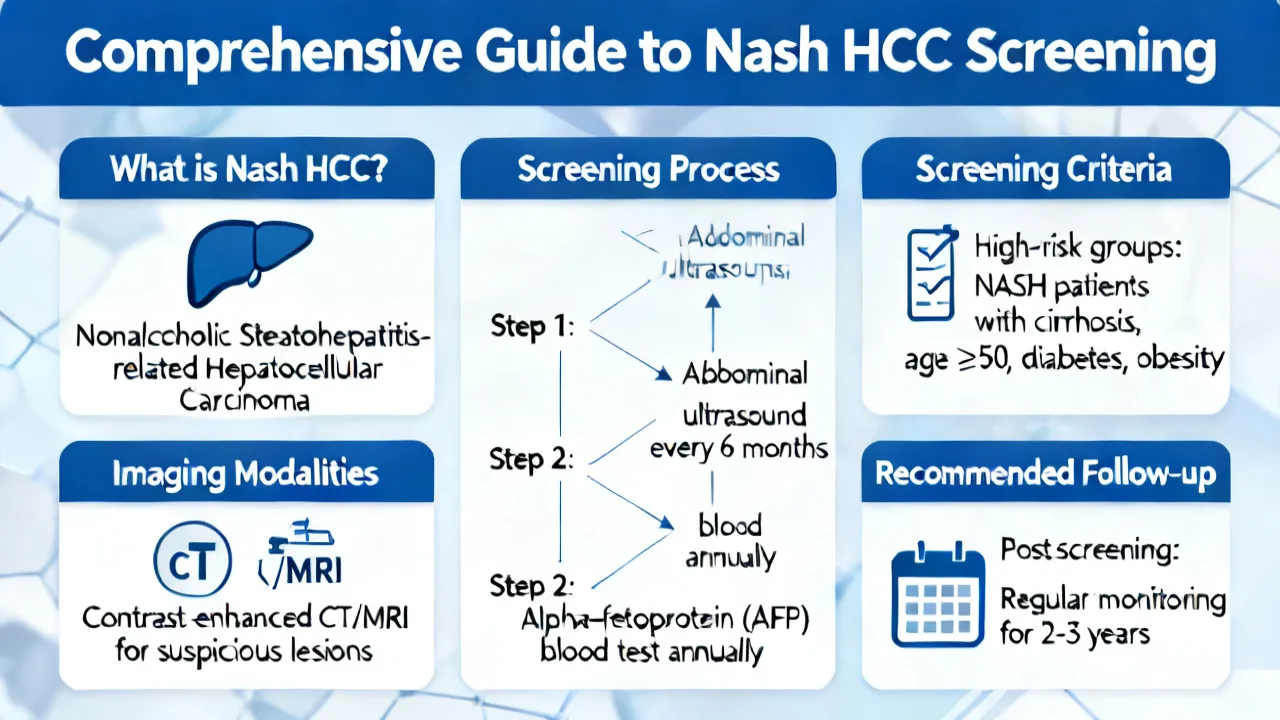
Nonalcoholic Steatohepatitis (NASH) is a serious liver disease that can lead to Hepatocellular Carcinoma (HCC), a form of liver cancer. In the medical community, the importance of timely and efficient screening for these conditions is profound. An effective Nash Hcc Screening can significantly enhance the early detection of NASH-related complications, providing patients with more treatment options and better prognosis. The significance of understanding the relationship between NASH and HCC is crucial, as it underlines the necessity of medical vigilance in populations at risk.
The Importance of Early Detection
Early detection in NASH and subsequent HCC is crucial because it determines the treatment path and outcomes. NASH often progresses silently and without symptoms, making early identification all the more imperative. The disease may evolve over years, and without regular screening, many patients may remain unaware of their condition until it reaches advanced stages. Unlike early-stage cancers, advanced HCC can be challenging to treat and often present limited therapeutic options. Screening protocols aim to catch potential liver degeneration in its nascent stages, offering healthcare providers a broader array of intervention possibilities. Early-stage interventions can include lifestyle changes and less invasive medical therapies that can significantly improve patient quality of life and survival rates.
Industry Insights on Nash Hcc Screening
From an industry expert's perspective, Nash Hcc Screening is evolving rapidly due to technological advancements and extensive research efforts. In recent years, various non-invasive methods have been developed, such as advanced imaging techniques and biomarker analysis, to improve screening efficacy while reducing patient discomfort. For instance, studies have shown that blood-based biomarkers can predict liver fibrosis or inflammation levels, which are critical indicators of disease progression. These innovations suggest that the future of these screenings will likely become more patient-friendly, readily available, and precise. Moreover, there is a growing emphasis on integrating artificial intelligence and machine learning into screening protocols, which can help identify patterns in patient data that may predict the onset of NASH or HCC more accurately than traditional methods.
Technological Advancements in Screening
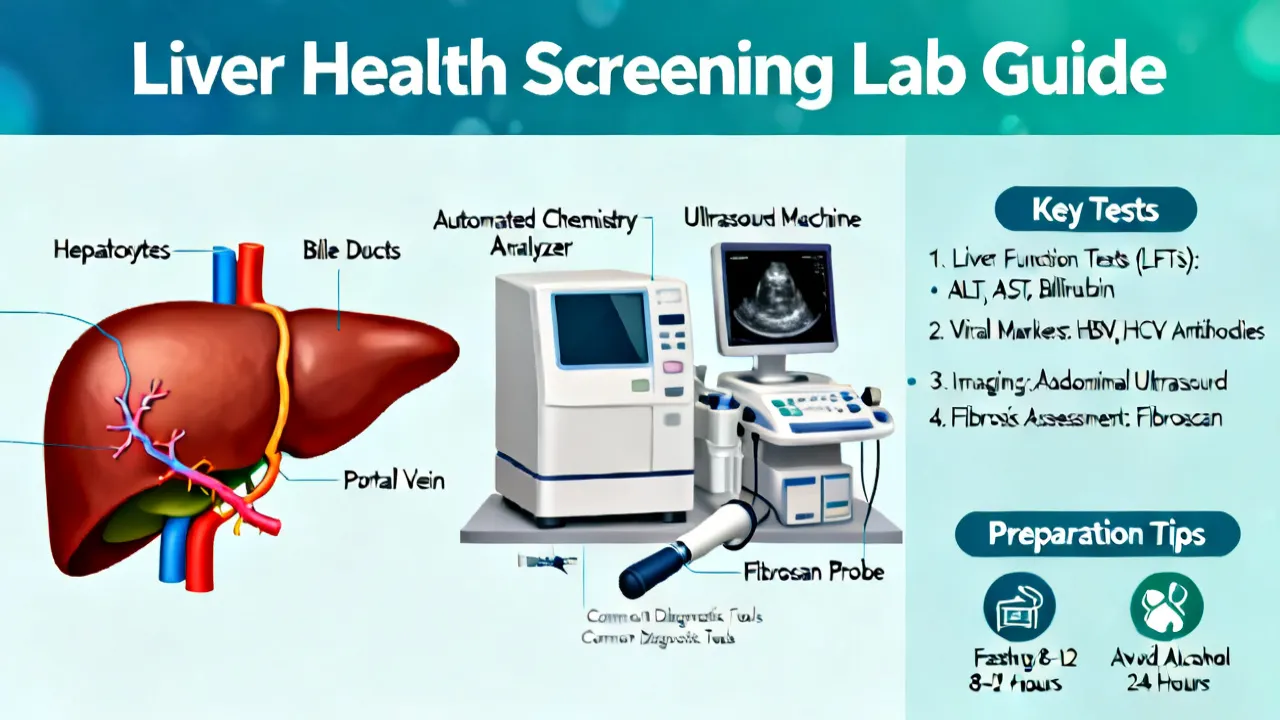
Technological enhancements have notably influenced the field of Nash Hcc Screening. For instance, Magnetic Resonance Elastography (MRE) and transient elastography are two critical imaging technologies that provide detailed insights into liver stiffness—a primary indicator of fibrosis—a condition prevailing in both NASH and HCC. MRE offers a non-invasive approach to assess liver health and detect potential complications before they manifest as severe problems. Unlike traditional liver biopsies, which are invasive and carry risks, these imaging techniques allow for safer, quicker assessments.
In addition to MRE, genetic testing is paving the way for personalized medicine approaches, enabling risk assessments tailored to individual patients. Recent advancements in genomics allow for a more refined understanding of each patient’s unique risk profile, considerably enhancing preventive strategies and individual care plans. Furthermore, ongoing research in the field of metabolomics is unveiling potential metabolic signatures that could serve as novel biomarkers for NASH and even guide screening protocols.
Challenges Implementing Effective Screening Protocols
Despite advancements, several challenges still accompany Nash Hcc Screening. A significant concern includes the varying sensitivity of the current screening tests, which may result in under-diagnosis among populations lacking overt symptoms. Current screening methods may not detect subtle but critical variations in liver health, potentially leading to false reassurance or delayed treatment when it is most needed. Furthermore, many patients experiencing NASH do not present with any symptoms until the disease has reached a more serious stage, accentuating the need for routine screenings, especially in high-risk populations.
Moreover, high costs associated with comprehensive screening strategies can impede widespread adoption in public health programs, especially in underserved regions. Economic barriers can restrict access to advanced technologies, further perpetuating health disparities. Additionally, the lack of standardized guidelines for routine screening complicates the implementation of effective protocols across different healthcare settings. Establishing clear and universally accepted guidelines is essential for enabling healthcare providers to efficiently identify at-risk populations and implement timely interventions.
The Economic Impact of Nash Hcc Screening
Economically, the implementation of robust screening strategies can substantially reduce the overall healthcare costs by minimizing the number of late-stage liver cancer cases, which are more expensive and complicated to treat. The economic burden of advanced HCC is profound, often involving extensive treatment costs and loss of productivity. Furthermore, late-stage detection is associated with higher mortality rates, emphasizing not only the financial implications but also the moral responsibility to provide timely care. However, balancing the costs of high-tech screening methods against the healthcare savings from early intervention remains a challenge for policymakers.
Investing in screening programs not only has the potential to lower direct treatment costs but can also lead to improved health outcomes for patients, fostering a healthier workforce and community. Additionally, public health campaigns aimed at raising awareness about NASH and its correlation with HCC may aid in enhancing population-level education, thereby potentially increasing participation in screening programs and promoting healthier lifestyle choices.
| Screening Method | Description | Pros | Cons |
|---|---|---|---|
| Magnetic Resonance Elastography (MRE) | A non-invasive test that measures liver stiffness. | High accuracy, non-invasive. | High cost, limited availability. |
| Transient Elastography | Uses ultrasound to assess liver stiffness. | Quick, non-invasive. | Less accurate in obese patients. |
| Genetic Testing | Examines DNA for risk of NASH/HCC. | Personalized risk assessment. | Expensive, limited to known mutations. |
Expert Frequently Asked Questions
What is the primary goal of Nash Hcc Screening?
The primary goal is to identify early signs of liver damage or cancer, allowing for timely intervention and treatment. This may involve a combination of lifestyle modifications and medical therapies designed to manage disease progression and improve patient outcomes.
Why is non-invasive testing preferred?
Non-invasive tests are preferred due to their lower risk, greater patient comfort, and the ability to conduct screenings periodically without major health complications. In an era where patient safety and comfort are of utmost importance, utilizing non-invasive methods encourages more individuals to participate in regular healthcare screenings and follow-up pathways.
Are there any dietary or lifestyle changes recommended after detection?
Yes, dietary modifications, such as reducing sugar and fat intake, coupled with regular exercise, can help manage NASH progression. Nutritional therapy plays a pivotal role in the management of NASH as it specifically addresses the underlying causes of fat accumulation in the liver. Additionally, avoiding alcohol and maintaining a healthy weight are vital lifestyle changes that can significantly improve liver health and support overall well-being.
How often should screening be conducted?
Frequency of screening depends on risk factors such as age, family history, and existing health conditions. Generally, those at higher risk may require more frequent screenings, while lower-risk individuals might only need screening at longer intervals. Personalized screening plans should be developed in consultation with healthcare providers, who can consider individual patient histories and preferences.
Conclusion: The Future of Nash Hcc Screening
The future of Nash Hcc Screening holds promise as medical technology continues to advance. Improved screening methods, coupled with increased awareness and proactive healthcare measures, have the potential to significantly reduce the incidence and impact of liver-related complications. Collaboration between healthcare providers, policymakers, and technology innovators will likely play a pivotal role in shaping the future landscape of these essential screenings.
As more comprehensive screening strategies are developed, the role of community health initiatives will also become increasingly significant in promoting liver health education. Moreover, continued research and validation of new biomarkers and technologies will contribute to more effective screening strategies that can adapt to the evolving landscape of liver diseases. By emphasizing prevention, encouraging healthy lifestyles, and ensuring accessibility to advanced screening methods, we can move towards eradicating preventable liver disease morbidity and mortality in the future.
Finally, engaging patients in their healthcare journey through education and support can promote adherence to screening protocols and lifestyle changes. Empowering individuals with knowledge about the risks associated with NASH and HCC can encourage them to actively participate in their health management, paving the way for improved outcomes and quality of life for those affected by these conditions.