
Understanding Nash HCC Screening
Nash HCC Screening is a crucial procedure in the medical field, aimed at early detection of liver-related health issues, specifically focusing on identifying Hepatocellular Carcinoma (HCC) in patients with Non-Alcoholic Steatohepatitis (NASH). By utilizing advanced imaging techniques and biomarkers, this screening can significantly improve patient outcomes and guide treatment decisions effectively.
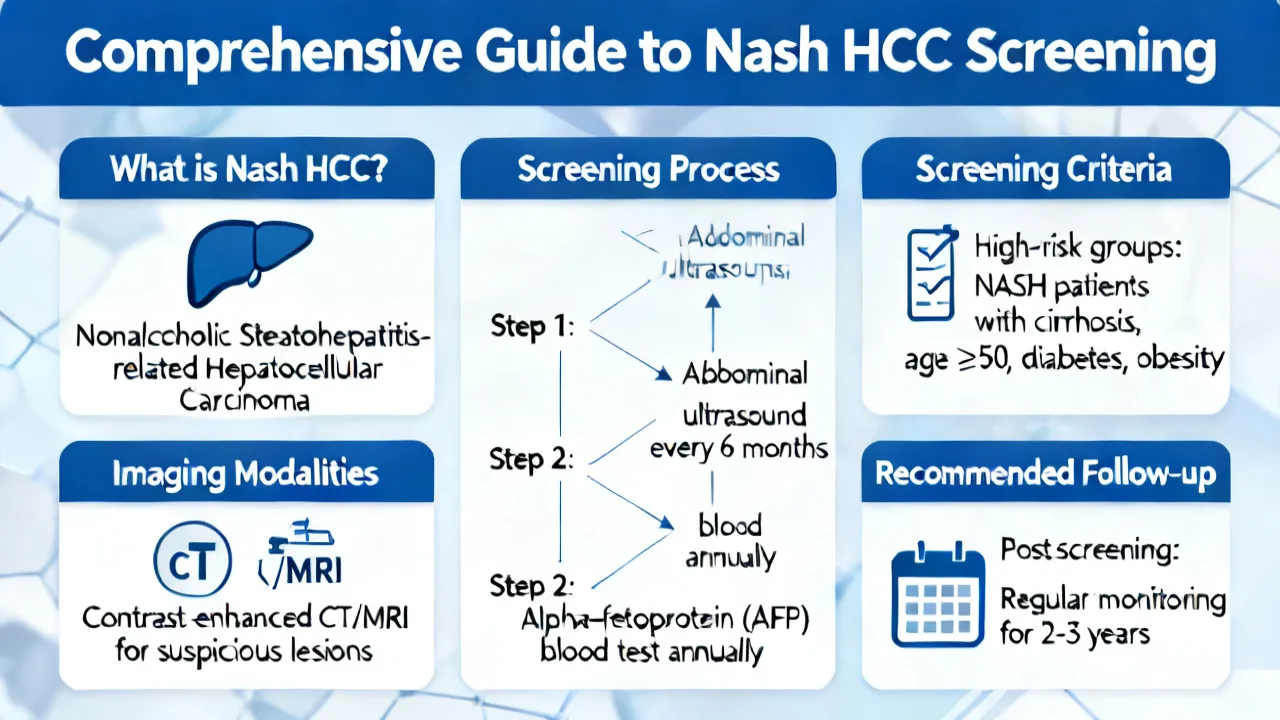
Introduction to NASH and HCC
Hepatocellular carcinoma (HCC) represents the most common form of primary liver cancer, typically arising in patients with underlying chronic liver disease. Among the various liver conditions that can lead to HCC, Non-Alcoholic Steatohepatitis (NASH) is a significant precursor whose prevalence is increasingly concerning in modern healthcare. As a progressive form of Non-Alcoholic Fatty Liver Disease (NAFLD), NASH is characterized by liver inflammation and damage associated with fat accumulation, and it can progress to more severe liver complications, including cirrhosis and ultimately cancer. The emerging focus on NASH HCC Screening stems from the critical need to identify hepatocellular carcinoma at an early stage, enabling timely interventions that can potentially save lives. With rising obesity rates and lifestyle-induced metabolic syndromes contributing to the higher incidence of NASH, it is vital for healthcare systems and practitioners to prioritize early detection measures.
The Importance of Nash HCC Screening
Screening for HCC in patients diagnosed with NASH has become imperative, mainly due to the often asymptomatic nature of early liver cancer. Many individuals do not exhibit noticeable symptoms until the cancer has advanced to later stages, making early detection challenging. Along with increased mortality associated with late-stage diagnosis, healthcare systems face heightened costs and reduced survival outcomes. With the prevalence of NASH on the rise—largely due to increasing rates of obesity, diabetes, and metabolic syndrome—proactive screening measures become vital for enhancing patient survival rates and allowing for more effective treatment options potentially. The focus on screening is further underscored by the research demonstrating that early-stage HCC is far more amenable to various treatment modalities, including resection, ablation, and transplant, compared to late-stage disease.
Components of Nash HCC Screening
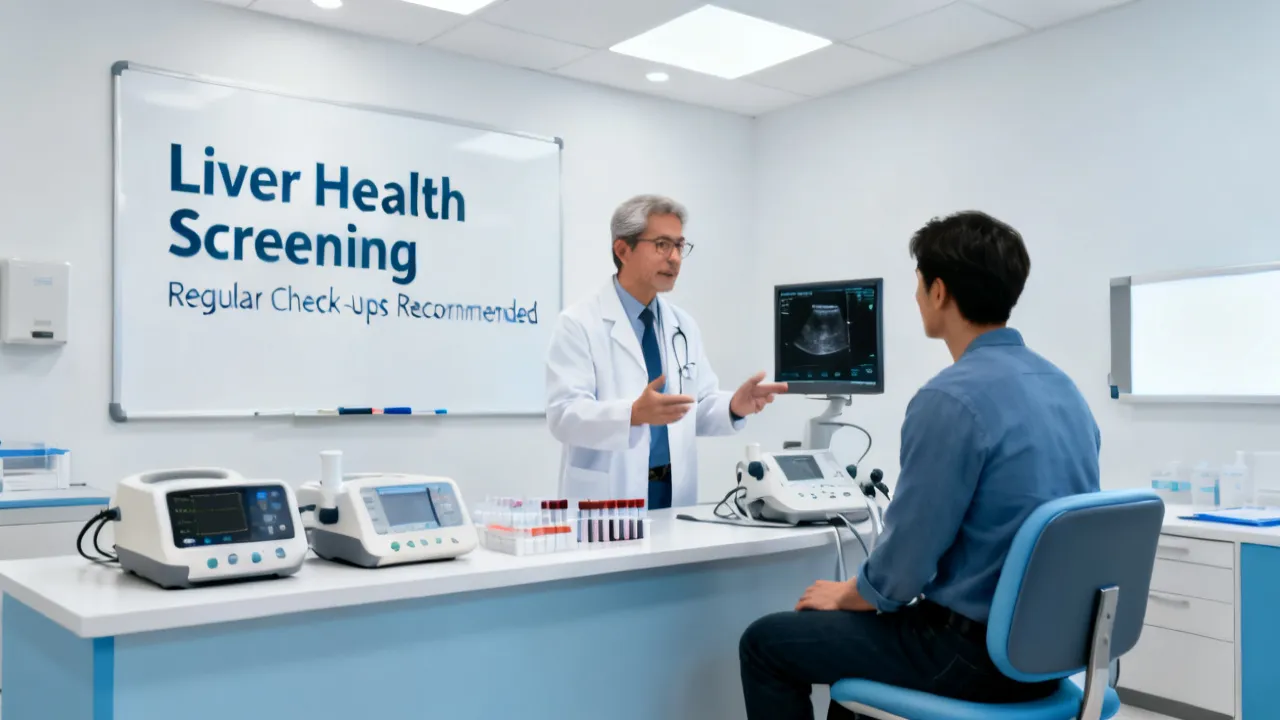
NASH HCC Screening integrates a combination of methodologies designed to detect abnormalities in the liver, both structural and functional. The screening process is comprehensive, utilizing advanced imaging techniques like ultrasound, MRI, or computed tomography (CT), along with biomarker assessments to detect suspicious nodules or irregularities that may indicate malignancy. Recent advancements highlight the importance of elastography—a non-invasive method that assesses liver stiffness, which correlates with the degree of fibrosis and potentially indicates the development of HCC. Through standardized screening protocols that combine these components, healthcare professionals can significantly enhance their ability to identify early-stage liver cancer among at-risk patient populations.
How Does Nash HCC Screening Work?
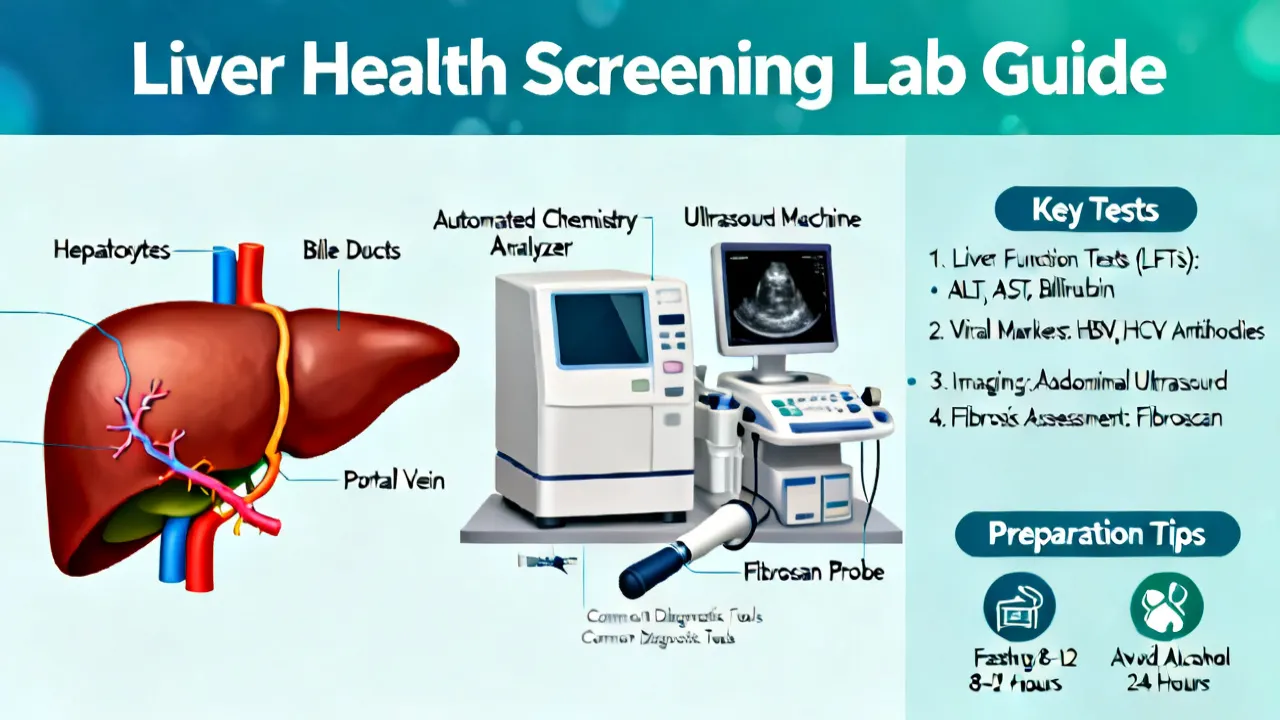
The process of screening for NASH-related HCC begins with thorough routine clinical evaluations, including a review of medical history, physical examination, and consideration of presenting symptoms. This foundational assessment allows providers to identify individuals at increased risk and guide them towards specific diagnostic tests aimed at assessing liver health. Key tests involved in the screening process may include:
- Ultrasound: This non-invasive imaging modality is widely regarded as the first-line test for liver cancer screening. It aids in identifying liver abnormalities, nodules, and tumor characteristics in a cost-effective manner.
- Serologic Markers: The assessment of serum alpha-fetoprotein (AFP) levels serves as a critical indicator, where elevated levels may suggest the presence of hepatocellular carcinoma, prompting further evaluation.
- Cross-sectional Imaging: MRI and CT scans deliver detailed images of the liver, providing clinicians with important information about tumor size, location, and vascular invasion, which are critical for treatment planning.
- Liver Biopsy: Despite being invasive, liver biopsy remains a definitive method for diagnosing NASH-related HCC and assessing the extent of liver damage and fibrosis.
Advantages of Early Screening
The availability and implementation of early Nash HCC Screening provide several significant advantages, which include not only an increase in the variety of treatment options available but also improved patient outlooks. Early detection allows for a broader range of therapeutic interventions, such as surgical resection, liver transplantation, or various localized therapies—that can decisively alter the course of the disease. Furthermore, identifying HCC in its earlier stages facilitates the initiation of treatment before the cancer metastasizes, directly correlating with improved survival rates. Advanced treatment modalities, such as radiofrequency ablation or stereotactic body radiation therapy, yield higher chances of success when employed at initial stages of tumor development. Additionally, early screening can prevent the progression to advanced cancer stages, where both prognosis and treatment efficacy notably diminish.
Latest Innovations in Screening Techniques
Innovations in the medical landscape continuously enhance the accuracy, reliability, and feasibility of cancer screenings. Emerging technologies, such as liquid biopsies, offer a minimally invasive approach to detect circulating tumor DNA (ctDNA), providing valuable insights into the presence of malignancy. These novel techniques allow for earlier detection and monitoring of treatment responses in patients with NASH at risk for HCC. Furthermore, advanced algorithms powered by artificial intelligence and machine learning leverage complex datasets derived from imaging studies and patient histories to refine Nash HCC Screening protocols. The integration of these advancements has the potential to not only improve early detection rates but also decrease the number of false-positive results, mitigating the anxiety and extra procedures associated with misleading test outcomes.
Conditions and Requirements for Effective Screening
| Criteria | Description |
|---|---|
| Patient Eligibility | Patients diagnosed with NASH or cirrhosis who also present with metabolic risk factors, such as obesity, diabetes, and hypertension, are the primary candidates for screening. These individuals are typically at a higher risk for developing HCC. |
| Frequency of Screening | Current guidelines often recommend biannual screenings; however, this frequency may vary based on individual risk factors, family history, and physician recommendations. Personalized screening schedules may enhance early detection more effectively than standardized timelines alone. |
| Access to Technology | The availability of advanced imaging tools, laboratory facilities, and cutting-edge diagnostic technologies are crucial for successful screening programs. Disparities in location or healthcare infrastructure can significantly influence screening rates and outcomes. |
Challenges and Considerations
Despite the numerous benefits of Nash HCC Screening, several challenges must be addressed to optimize the implementation and efficacy of screening programs. One major hurdle is the variability in access to healthcare resources, which can lead to inequities in who receives timely screenings. Additionally, patient readiness, which encompasses health literacy and motivation to participate in screening, can significantly influence compliance with screening schedules. Promoting awareness of the importance of early detection in high-risk populations is crucial to overcoming this barrier. Cost considerations also play a central role in the wider adoption of screening protocols, as ensuring affordability and availability of diagnostic technologies remains a challenge in many healthcare settings. Achieving a balance between investing in advanced screening capabilities and making them accessible to broader populations is a vital focus for healthcare policymakers.
FAQs
- What is the primary goal of Nash HCC Screening?
- The primary goal is the early detection of hepatocellular carcinoma in NASH patients to enable efficient treatment and improve outcomes, thereby increasing survival rates and reducing healthcare costs associated with late-stage cancer management.
- How often should Nash HCC Screening be performed?
- Typically, screening is recommended every six months, but this can vary based on individual risk assessments, such as changes in liver function, progress in disease symptoms, or an increase in malignancy risk factors.
- What challenges affect the implementation of screening programs?
- Challenges include healthcare accessibility, patient adherence to recommended schedules, ensuring affordability and availability of diagnostic testing technologies, and addressing disparities in healthcare delivery across different populations.
- Are there any new technologies that could improve screening outcomes?
- Yes, innovations such as liquid biopsies and data-driven algorithms hold potential for refining screening accuracy and efficacy. They promise to reduce false positives and aid in continuous monitoring of patients at risk of developing HCC.
The Role of Lifestyle Modifications in NASH
Beyond screening, addressing the underlying risk factors associated with NASH is vital in managing both the condition and the potential for developing HCC. Lifestyle modifications are key in reversing metabolic syndrome and reducing liver fat accumulation. Crucially, interventions such as nutritional counseling, regular physical activity, and weight management can significantly impact liver health. Evidence indicates that even modest weight loss can lead to improvements in liver histology, inflammation, and a decrease in the progression of fibrosis.
Dietary modifications are especially important; integrating a balanced, whole-food diet rich in vegetables, fruits, whole grains, healthy fats, and lean proteins may enhance liver function and overall health. Viewing lifestyle changes not only as therapeutic interventions but as essential components of a comprehensive HCC prevention strategy is critical in reducing the disease burden linked with both NASH and HCC.
Community Engagement and Education
Effective engagement with the community and education on NASH and its complications are essential components in promoting awareness and improving health outcomes. Public health initiatives aimed at educating populations about the risks and signs of liver disease can encourage individuals at risk to seek regular screenings and adopt healthier lifestyles. Community health programs can play a pivotal role in disseminating information regarding metabolic disease management, dietary recommendations, and exercise programs tailored toward individuals with NASH.
Such educational efforts can demystify screening protocols and help patients understand the potential consequences of neglecting their liver health, thus enhancing compliance with recommended screening schedules. Furthermore, improving health literacy empowers patients to take an active role and participate in preventative measures and discussions with healthcare providers.
Future Directions in NASH and HCC Management
Looking forward, research will continue to unfold on the pathophysiology of NASH, its transition to more severe liver diseases, including HCC, and the development of novel therapeutic options. Ongoing clinical trials examining pharmacological interventions, such as anti-fibrotic agents and metabolic regulators, hold promise for targeting the underlying disease processes in NASH. Moreover, advancements in genetic research may unveil specific biomarkers to identify patients at the highest risk for HCC, thus enhancing screening and treatment approaches.
The integration of telehealth technologies also offers exciting prospects for expanding access to screenings and follow-up care, particularly in rural areas or underserved populations. Virtual consultations can help overcome barriers related to time, transportation, and cost, facilitating continuity of care for high-risk patients. As we progress towards a more comprehensive understanding and management of NASH and HCC, collaborative efforts among healthcare providers, researchers, and policymakers will be essential in advancing prevention strategies and optimizing outcomes for affected individuals.
Conclusion
Nash HCC Screening represents a proactive and vital approach to managing liver health, particularly among patients with NASH. By integrating cutting-edge technologies, adhering to regular screening protocols, and promoting lifestyle modifications, healthcare providers can significantly impact patient outcomes and survival rates. Continuous advancements in medical research, patient education initiatives, and innovative screening methods will likely enhance the effectiveness and accessibility of these essential screenings. A collaborative and comprehensive approach toward the management of NASH and its associated risks will empower individuals to take charge of their health while reducing the burden of hepatocellular carcinoma.