
Understanding Nash Hcc Screening
Nash HCC Screening is a critical process in diagnosing and managing liver-related health issues. Hepatocellular carcinoma (HCC) emerges frequently in patients with non-alcoholic steatohepatitis (NASH), a severe liver disease. Early detection through effective screening can play a pivotal role in preventing the progression of liver diseases to cancer. Understanding this process is vital for healthcare providers, patients, and stakeholders in the medical community.
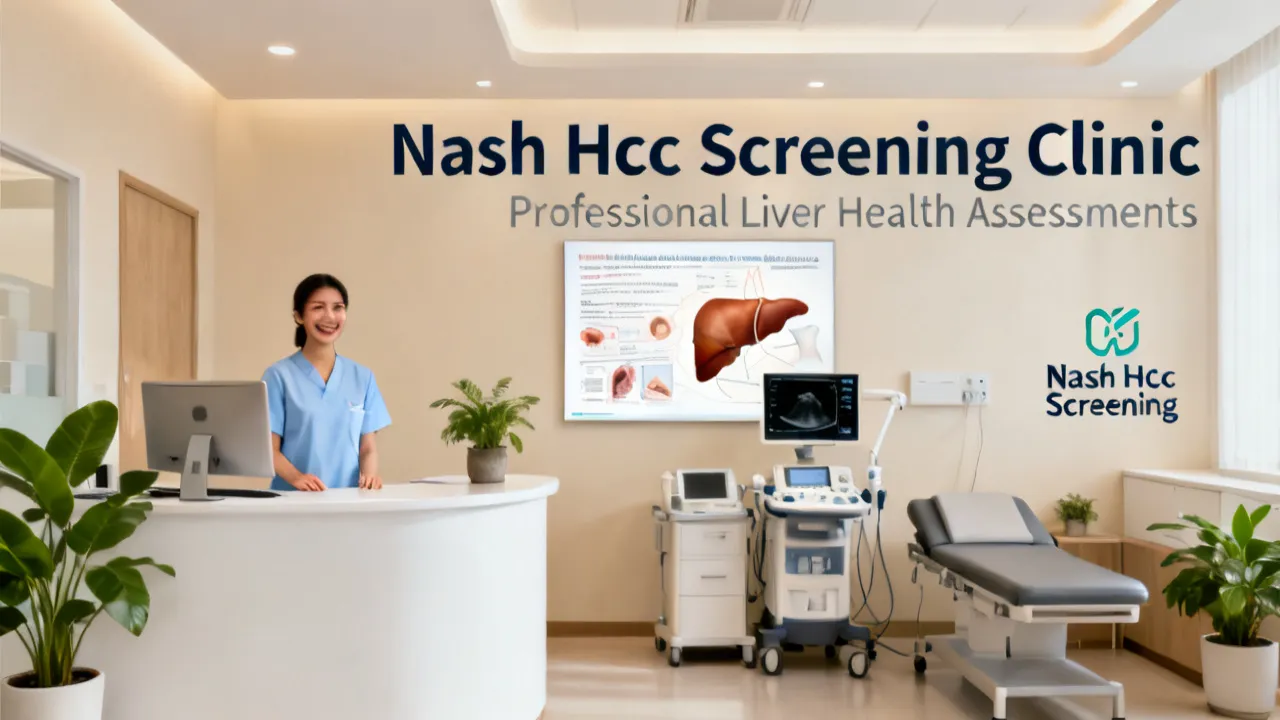
Introduction to Nash Hcc Screening
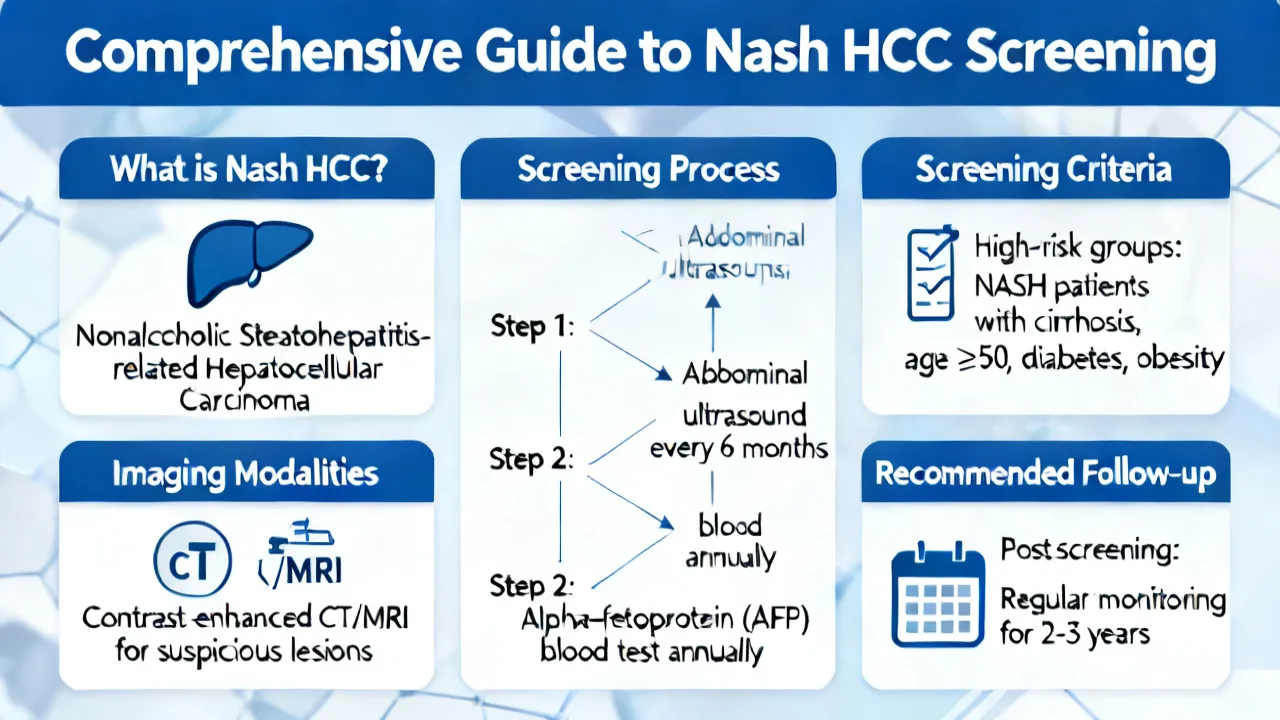
Non-alcoholic steatohepatitis (NASH) represents a significant challenge in modern healthcare due to its potential to develop into hepatocellular carcinoma (HCC), a leading cause of cancer-related mortality worldwide. NASH is characterized by the accumulation of excess fat in liver cells, resulting in inflammation and damage. This condition is often a consequence of metabolic syndrome and is becoming increasingly prevalent in overweight and obese populations. Nash HCC Screening is crucial in the early detection and management of these conditions, highlighting a critical convergence of research, clinical practice, and patient care. The detection of HCC, which can arise as a complication from NASH, plays a vital role in improving patient prognosis, as early-stage liver cancer may be amenable to curative therapies.
The Importance of Early Screening
Early screening for NASH and HCC has become a benchmark in liver health management. The prevalence of NASH has risen in tandem with the global obesity epidemic, necessitating the implementation of efficient screening strategies. By identifying at-risk individuals early, healthcare providers can implement targeted interventions that may delay or prevent the onset of cancer. For instance, lifestyle modifications such as weight loss, dietary changes, and increased physical activity can significantly impact disease progression. This proactive approach underscores the value of NASH HCC Screening in improving patient outcomes and reducing healthcare costs. Moreover, studies have shown that early intervention can reduce the incidence of severe liver complications, hence, enhancing the quality of life for patients.
Components of Nash Hcc Screening
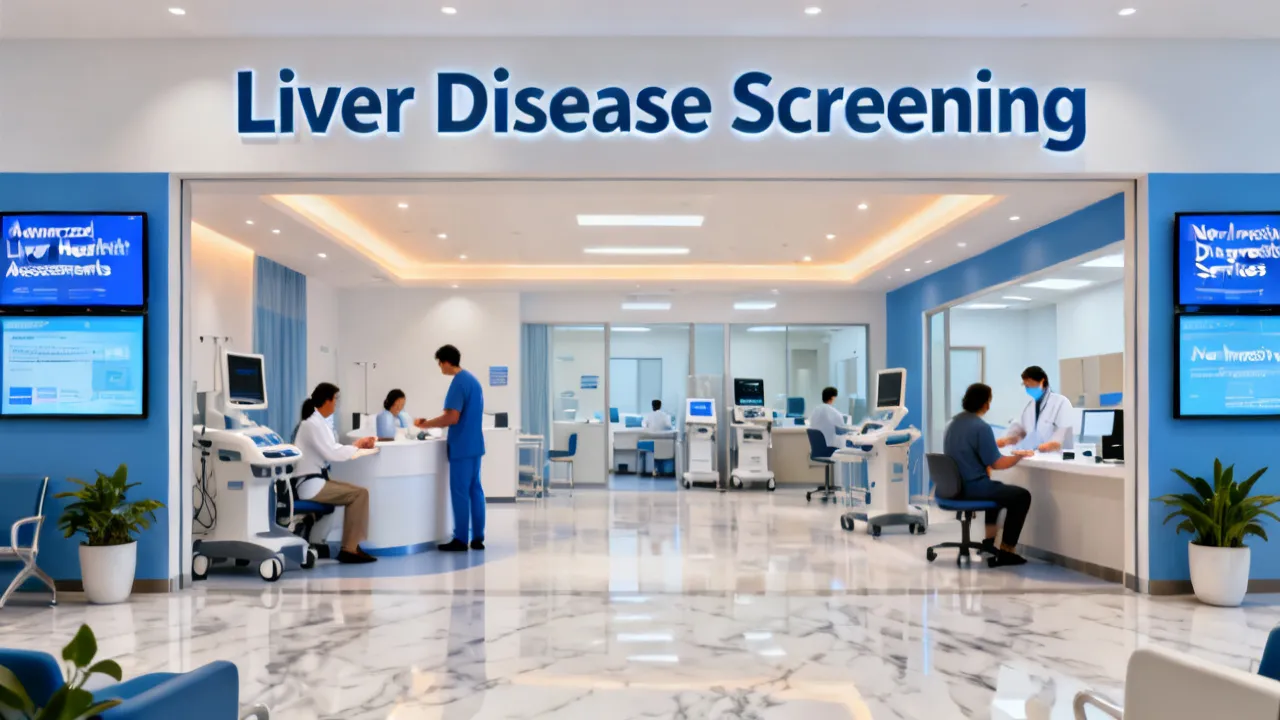
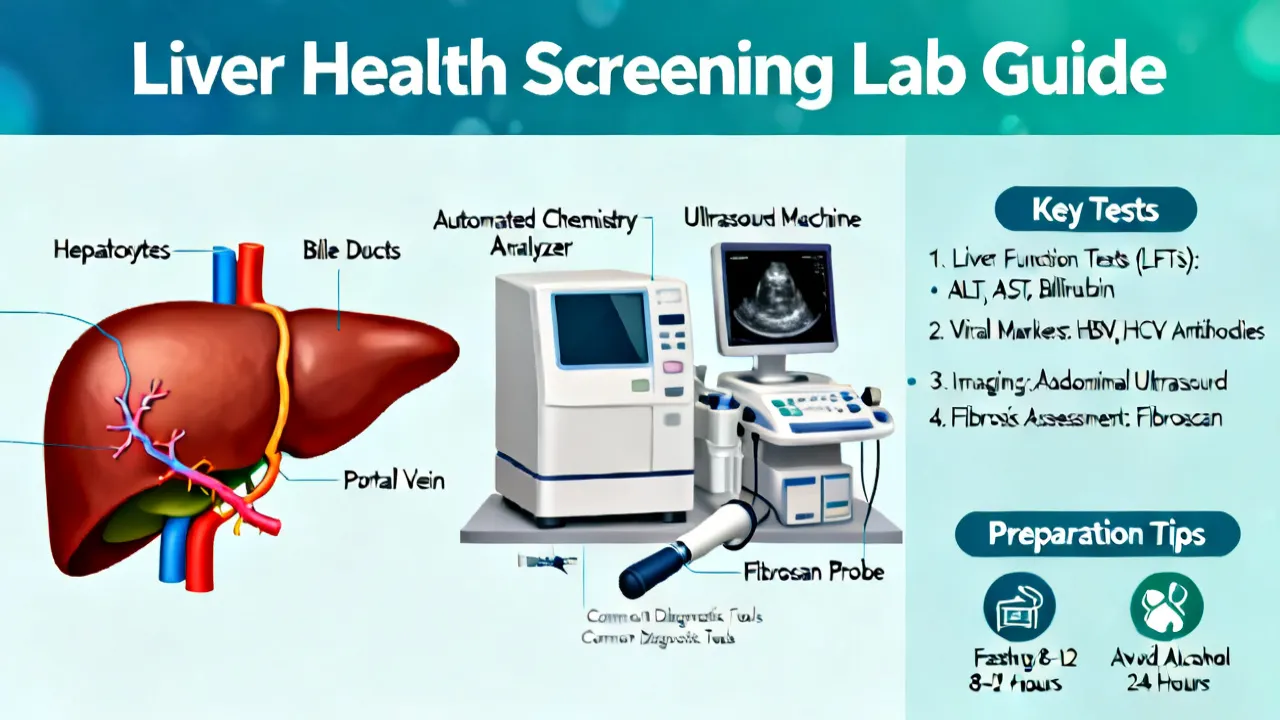
Screening for NASH and subsequent HCC involves a comprehensive evaluation of liver health using various diagnostic tools. Common methodologies include imaging techniques such as ultrasound and MRI, alongside biomarker assessments through blood tests. This multifaceted approach enables clinicians to gather detailed insights into liver structure and function. For instance, ultrasound is a widely used first-line modality because of its accessibility and cost-effectiveness; it enables preliminary assessment of liver anatomy and can detect signs of steatosis, fibrosis, and cirrhosis. Additionally, MRI, despite being more expensive, offers high-resolution images that allow for better differentiation of liver lesions and assessment of liver fat content.
Biomarker assessments, including blood tests that measure liver enzymes, fatty acid profiles, and other indicators of liver health, are essential for evaluating liver function. Specific tests, such as those that measure the Fibrosis-4 (FIB-4) index or the Nonalcoholic Fatty Liver Disease fibrosis score, provide further insight into the degree of liver fibrosis, a key risk factor for the development of HCC. This combination of imaging and biomarkers in Nash HCC Screening helps in stratifying patients according to their risk for liver cancer, which is pivotal for customizing management plans.
Challenges in Nash Hcc Screening
Despite advancements in screening technologies, challenges remain in the consistent and accurate detection of NASH and HCC. Variations in patient demographics, such as age, ethnicity, and underlying health conditions, can complicate screening efforts. For instance, the rate of NASH-related HCC is observed to vary across different populations, necessitating tailored screening protocols. Furthermore, accessibility to healthcare resources, including availability of imaging facilities and skilled personnel, can significantly impact the efficacy of screening programs. Insurance coverage, socioeconomic status, and geographic location also create disparities in healthcare access, limiting some populations from receiving timely diagnosis.
Additionally, the asymptomatic nature of early liver disease often complicates timely diagnosis. Many individuals who develop NASH and subsequent HCC may not exhibit symptoms until the disease has progressed significantly, making advocacy for routine screening among high-risk groups critical. This emphasizes the need for continual development of more sensitive and specific screening tools. As highlighted in clinical studies, there is a profound need for research aiming at less invasive techniques and biomarkers that can accurately detect early-stage diseases, thereby facilitating timely treatment interventions.
Innovative Approaches and Technologies
Recent innovations in medical technology have paved the way for promising developments in Nash HCC Screening. The advent of non-invasive tests such as FibroScan (transient elastography) and magnetic resonance elastography are aimed at measuring liver stiffness, providing a surrogate marker for fibrosis without the need for liver biopsy, which is often more invasive. These technologies enable clinicians to evaluate liver status more accurately while minimizing patient discomfort and associated risks. Importantly, these non-invasive approaches have shown to predict liver-related complications effectively, which can be pivotal in guiding management decisions.
Moreover, artificial intelligence-driven diagnostic tools are poised to revolutionize early detection. Incorporating machine learning algorithms into imaging analyses significantly enhances the ability to identify characteristic patterns of liver disease that may be missed by the human eye. For instance, AI technologies have been employed to analyze MRI scans to identify microbleeds or lesions indicative of HCC more efficiently. These innovations not only streamline the diagnostic process but also assist radiologists in making more informed assessments.
Furthermore, ongoing research into novel biomarkers, such as circulating tumor DNA (ctDNA) and miRNA profiles, shows promise in early detection of malignant transformations associated with NASH. These advancements represent a leap towards more personalized medicine where treatments can be adopted based on the unique profile of a patient's disease, enabling better outcomes.
Comparison Table of Screening Tools
| Screening Tool | Description | Advantages | Limitations |
|---|---|---|---|
| Ultrasound | Non-invasive imaging technique | Widely available, cost-effective | Limited sensitivity in obese patients |
| MRI | High-resolution imaging | Detailed liver structure visualization | Higher cost, limited accessibility |
| Biomarker Blood Tests | Blood analysis for liver dysfunction markers | Less invasive, quick results | Potential for false positives |
| FibroScan | Non-invasive method to assess liver stiffness | Accurate fibrosis assessment, quick procedure | Operator-dependent quality, limited availability |
| AI-Driven Imaging Analysis | Utilizes machine learning algorithms for image assessment | Enhances detection accuracy, reduces human error | Requires substantial data training, integration challenges |
Legal and Ethical Considerations
As with any medical procedure, ethical guidelines and legal regulations play a critical role in Nash HCC Screening. Informed consent, patient privacy, and data protection are paramount as healthcare providers strive to balance clinical benefits with ethical responsibilities. The implications of genetic testing for biomarkers and advanced imaging require careful consideration and transparent communication with patients about potential risks and benefits. Informed consent is not simply a formality; it involves ensuring that patients comprehend the information, understand their options, and actively participate in their healthcare decisions.
Additionally, issues surrounding health equity must be addressed to ensure that all populations have access to NASH HCC Screening services. Ethnic and socioeconomic disparities can affect who gets screened and treated, which may contribute to adverse health outcomes in marginalized communities. Ongoing dialogue among stakeholders—including clinicians, ethicists, and policymakers—is necessary to navigate these complex issues effectively. Frameworks should be developed to promote equitable resource distribution and improve access to innovative screening technologies across diverse populations.
FAQs
What is Nash Hcc Screening?
Nash HCC Screening is a process used to identify non-alcoholic steatohepatitis and potential hepatocellular carcinoma in patients. It involves a combination of imaging and blood tests to monitor liver health, allowing for early intervention and management.
Why is early detection important?
Early detection through screening can prevent the progression of liver disease to cancer, improving patient outcomes and reducing healthcare costs. The earlier HCC is detected, the more treatment options are available, including surgical interventions that can be curative.
What are the common screening methods?
Common methods include imaging tests like ultrasound and MRI, along with biomarker blood tests. Non-invasive techniques such as FibroScan also provide valuable insights into liver stiffness, aiding in fibrosis assessment.
How does AI help in Nash HCC Screening?
AI technologies enhance the accuracy of imaging analyses by identifying patterns of liver disease more efficiently than traditional methods. This improves the early detection of malignancies and assists healthcare providers in making informed clinical decisions.
What role do lifestyle changes play in managing NASH?
Lifestyle modifications such as weight loss, a balanced diet, and regular physical activity are crucial in managing NASH. These changes can lead to reduced liver fat content, improve liver function, and decrease the risk of progression to HCC.
What are the potential outcomes if NASH progresses to HCC?
The progression from NASH to HCC can lead to severe liver failure and death if not detected and managed promptly. Early and appropriate intervention can significantly improve prognosis and survival rates.
In conclusion, Nash HCC Screening represents a critical component of modern hepatology, with ongoing advancements enhancing our capacity to combat liver diseases effectively. This proactive approach allows healthcare systems to allocate resources efficiently while improving individual patient outcomes. By fostering collaboration among clinicians, researchers, and policymakers, we can continue to push the boundaries of what's possible in liver health management, ultimately paving the way for healthier futures. The integration of innovative technologies and comprehensive screening protocols not only enhances the early detection of liver diseases but also serves as a model for addressing health disparities and improving care for all at-risk patients. As we move forward, it is essential that we remain vigilant and committed to addressing the challenges and opportunities in the fight against NASH and HCC, ensuring that patients receive the timely and effective care they need.