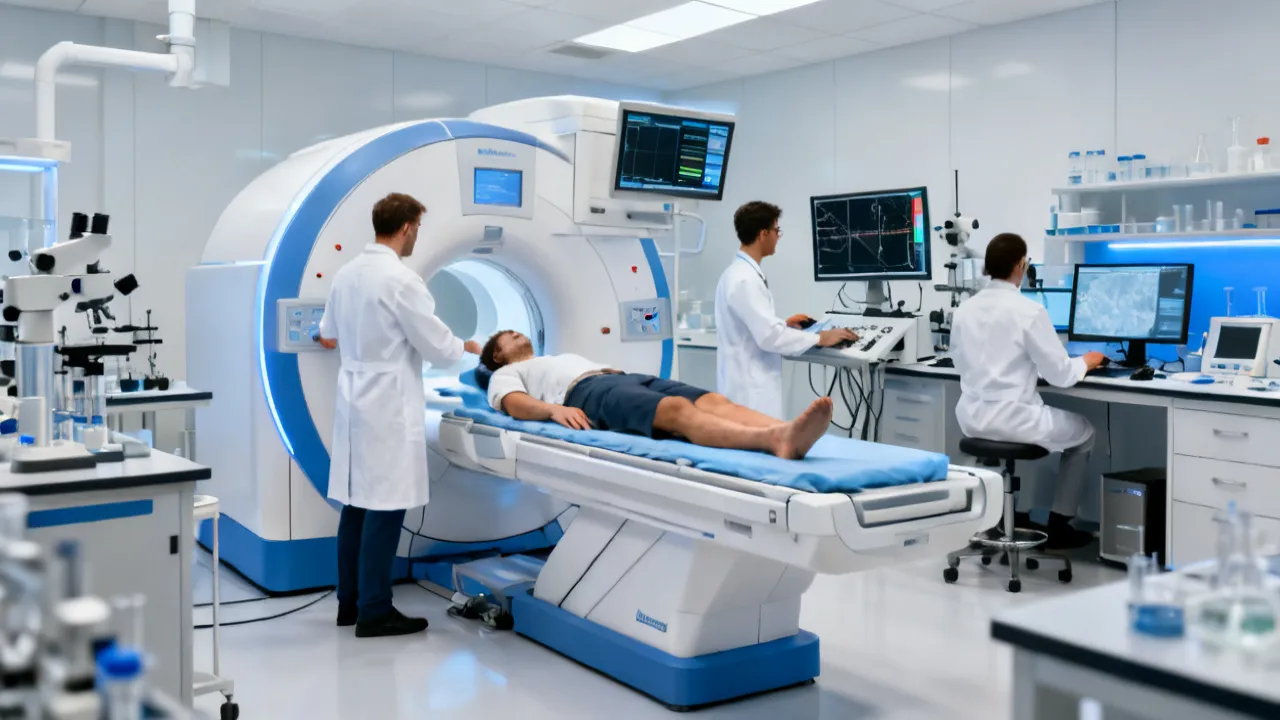

Understanding the Oncemrk Trial Initiative
The Oncemrk Trial represents a significant endeavor in clinical research, aiming to evaluate innovative medical treatments through structured and rigorous testing methods. This trial embodies a comprehensive process of hypothesis testing, patient involvement, and data analysis to enhance healthcare outcomes globally.

Introduction to the Oncemrk Trial
The Oncemrk Trial is a pivotal study in modern clinical research, emphasizing the rigorous evaluation of novel medical treatments. This trial is fundamental in testing hypotheses, involving patients, and analyzing data to improve global healthcare outcomes. It is an extensive project that aims to answer critical questions regarding medical treatment efficacy and safety through systematic investigation and thorough methodologies.
Importance of Clinical Trials
Clinical trials, such as the Oncemrk Trial, are essential for validating the efficacy and safety of new medical treatments. They provide a structured pathway for researchers to translate scientific theories into practical therapies. These trials often involve multiple phases, each designed to assess different aspects of a treatment's impact on human health. By operating within a defined framework, clinical trials facilitate the discovery of innovative treatments and contribute to the evidence-based practice of medicine, ultimately leading to enhanced patient care and public health initiatives.
The Structure of the Oncemrk Trial
At the heart of the Oncemrk Trial is a systematic approach to testing. This involves several key steps, including:
- Design Phase: Researchers start by creating a detailed plan, outlining objectives, participant selection criteria, and methodologies. This phase includes extensive background research to ensure that the trial addresses a significant clinical question and incorporates advanced techniques and technologies that may enhance the validity of results.
- Recruitment and Consent: Participants are carefully selected based on specific criteria and must provide informed consent prior to involvement. During this process, potential participants are informed about the trial's purpose, procedures, risks, and potential benefits. It is essential for participants to understand their role and the implications of their participation.
- Implementation: The trial is conducted under controlled conditions to ensure the accuracy and reliability of the results. Highly trained personnel are involved in administering treatments and monitoring participants, with supportive resources to address any adverse events that may arise during the trial.
- Data Collection and Analysis: Data is gathered at various stages and analyzed using advanced statistical tools to derive meaningful conclusions. The integrity of data collection is paramount, often involving double-blinding about treatment allocation to minimize bias.
Areas of Focus
The Oncemrk Trial specifically targets innovative treatments for chronic diseases. This focus helps address unmet medical needs by exploring new therapeutic avenues that could potentially reshape current medical practices. Chronic diseases, which affect millions globally, often require long-term management strategies that include pharmaceutical interventions, lifestyle changes, and holistic care approaches. By targeting these areas, the Oncemrk Trial aims not only to evaluate new treatment modalities but also to improve overall quality of life for patients afflicted with these conditions.
Trial Phases and Objectives
| Phase | Objective |
|---|---|
| Phase I | Assess safety and determine safe dosage ranges. This phase primarily involves healthy volunteers or patients to verify whether the treatment poses any significant risks. |
| Phase II | Evaluate efficacy and further assess safety. Phase II studies typically include a larger group of participants and aim to ascertain whether the treatment has a therapeutic effect, while also monitoring for any adverse reactions. |
| Phase III | Confirm effectiveness, monitor side effects, and compare with standard treatments. This phase involves a diverse participant group, allowing researchers to evaluate the treatment's performance in real-world scenarios. |
| Phase IV | Gather additional information after market approval, assessing long-term effects and optimal use of the treatment in broader populations. |
Key Outcomes Expected from the Oncemrk Trial
The Oncemrk Trial is anticipated to yield crucial data that could lead to breakthroughs in treatment protocols, ultimately benefiting patients with chronic conditions. By generating robust evidence, the trial aims to influence clinical guidelines and healthcare strategies globally. Additionally, outcomes may not only focus on clinical endpoints but also consider quality-of-life measures, adherence to treatment regimens, and patient satisfaction. These holistic outcomes play a vital role in determining the overall impact of new therapies.
Challenges and Ethical Considerations
Conducting a trial like the Oncemrk involves several challenges, including ethical considerations such as ensuring patient safety and maintaining informed consent. The trial must also adhere to strict regulatory standards to guarantee the integrity of the research process. Researchers face challenges related to participant recruitment and retention, especially in long-term studies where the commitment required may deter potential candidates. Additionally, the management of biased data and the integrity of reporting results remain ever-pressing concerns.
Ethical concerns also extend to the equitable treatment of participants from diverse backgrounds. It is imperative for clinical trials to enroll participants that reflect the demographic and genetic diversity of the broader population, ensuring the findings are widely applicable. Moreover, safeguarding personal health information remains a paramount consideration throughout the research journey, necessitating robust data protection measures.
FAQs
- What is the primary goal of the Oncemrk Trial?
The primary goal is to evaluate the safety and efficacy of new medical treatments for chronic diseases while also exploring their long-term impact on patient well-being. - How are participants selected?
Participants are selected based on defined eligibility criteria to ensure the trial's relevance and accuracy, including demographic factors, medical history, and current health status. - What measures are in place to ensure ethical compliance?
All trials adhere to stringent ethical guidelines and require informed consent from participants. Institutional Review Boards (IRBs) oversee the trial's ethical standards and participant welfare. - What happens if a treatment proves ineffective during the trial?
If a treatment is ineffective, researchers will cease its use and analyze the data to understand why, ensuring participant safety and taking necessary steps to modify or improve the trial if needed. - Can participants withdraw from the trial at any time?
Yes, participants have the right to withdraw from the trial at any time without facing repercussions. Their decision will be respected, and their health care will not be compromised.
Conclusion
The Oncemrk Trial is a landmark study in clinical research, offering hope for advancements in treating chronic diseases. By meticulously adhering to scientific rigor and ethical standards, it paves the way for potential transformations in how these conditions are managed worldwide. The data generated from this trial could not only influence therapeutic directions but also catalyze changes in healthcare policies and practices that seek to improve patient outcomes, accessibility to treatment, and overall healthcare quality. Ultimately, as clinical trials continue to evolve and adapt to new challenges in the medical landscape, they remain an indispensable tool for scientific discovery and medical innovation.
The Future of Clinical Research
Looking ahead, clinical research, including studies like the Oncemrk Trial, is poised to undergo significant transformations driven by advancements in technology, research methodologies, and ethical frameworks. Innovations such as personalized medicine, artificial intelligence, and real-world evidence are reshaping how clinical trials are designed and conducted.
Personalized Medicine and Tailored Treatments
One of the most promising frontiers in clinical research is the shift towards personalized medicine. This approach tailors medical treatments to the individual characteristics of each patient, including their genetics, environment, and lifestyle. Trials like the Oncemrk can leverage genomic data to personalize treatment regimens, potentially enhancing both efficacy and safety. As the science of genomics continues to evolve, the prospect of tailoring clinical trials based on genetic profiles may boost treatment success rates and minimize adverse effects.
Artificial Intelligence in Clinical Trials
Artificial intelligence (AI) is rapidly becoming a vital component of clinical research. AI can streamline various aspects of clinical trials, from patient recruitment to data analysis. With sophisticated algorithms capable of identifying suitable participants based on vast datasets, AI can help mitigate the challenges of recruitment, ensuring that diverse populations are adequately represented. Moreover, machine learning techniques can enhance data analysis, allowing researchers to identify patterns and correlations that might otherwise go unnoticed.
Real-World Evidence and Adaptive Trials
The growing emphasis on real-world evidence is also transforming the landscape of clinical trials. Researchers are increasingly looking beyond traditional clinical settings to understand how treatments perform in everyday life. Trials that incorporate real-world data can offer insights that enhance the relevance of findings. Additionally, the adoption of adaptive trial designs allows researchers to make modifications to trial protocols based on interim results without compromising the trial's integrity. This flexibility can lead to more efficient trials and quicker insights into the efficacy of new treatments.
Collaboration in Global Health
Collaboration is essential for advancing clinical research on a global scale. The Oncemrk Trial, like many others, underscores the importance of partnerships between academic institutions, pharmaceutical companies, regulatory agencies, and patient advocacy groups. By fostering collaboration, researchers can create comprehensive frameworks that expedite the development of new treatments and improve patient access to innovative therapies.
Furthermore, engaging patients in the research process enhances transparency, builds trust, and ensures that the treatments being investigated are reflective of their needs and preferences. Patient input can shape trial design, outcome measures, and dissemination of findings, ultimately making clinical trials more impactful.
Global Perspectives and Health Equity
The Oncemrk Trial's commitment to diversity and inclusion is pivotal in addressing health disparities worldwide. Ensuring equitable access to clinical trials is of utmost importance in the pursuit of effective treatments for chronic diseases. Research needs to include underserved populations, as health outcomes can vary significantly based on socio-economic factors, geography, and ethnicity.
By emphasizing diversity in clinical trials, researchers can generate evidence that applies to a broad spectrum of patients, thus enhancing the generalizability of findings. This commitment to equity not only supports better health outcomes but also strengthens the foundations of public health initiatives aimed at reducing disparities in health access and treatment outcomes.
Final Thoughts on the Evolution of Clinical Trials
Clinical trials like the Oncemrk Trial represent a beacon of hope in the ever-evolving landscape of medical research. Their systematic approach to investigating new treatments, combined with the ethical considerations that govern their execution, ensures that the health and safety of participants remain paramount. As the field progresses, integrating technological advancements, fostering collaboration, and prioritizing health equity will become increasingly crucial in shaping the future of clinical research.
In conclusion, the Oncemrk Trial stands not only as a study but as a model for modern clinical research, embodying the principles of integrity, innovation, and patient-centered care. As we anticipate the outcomes of such trials, we are reminded of the impact they can have on the future of healthcare, inspiring ongoing exploration and discovery in the quest to alleviate human suffering through scientific understanding and advancement.