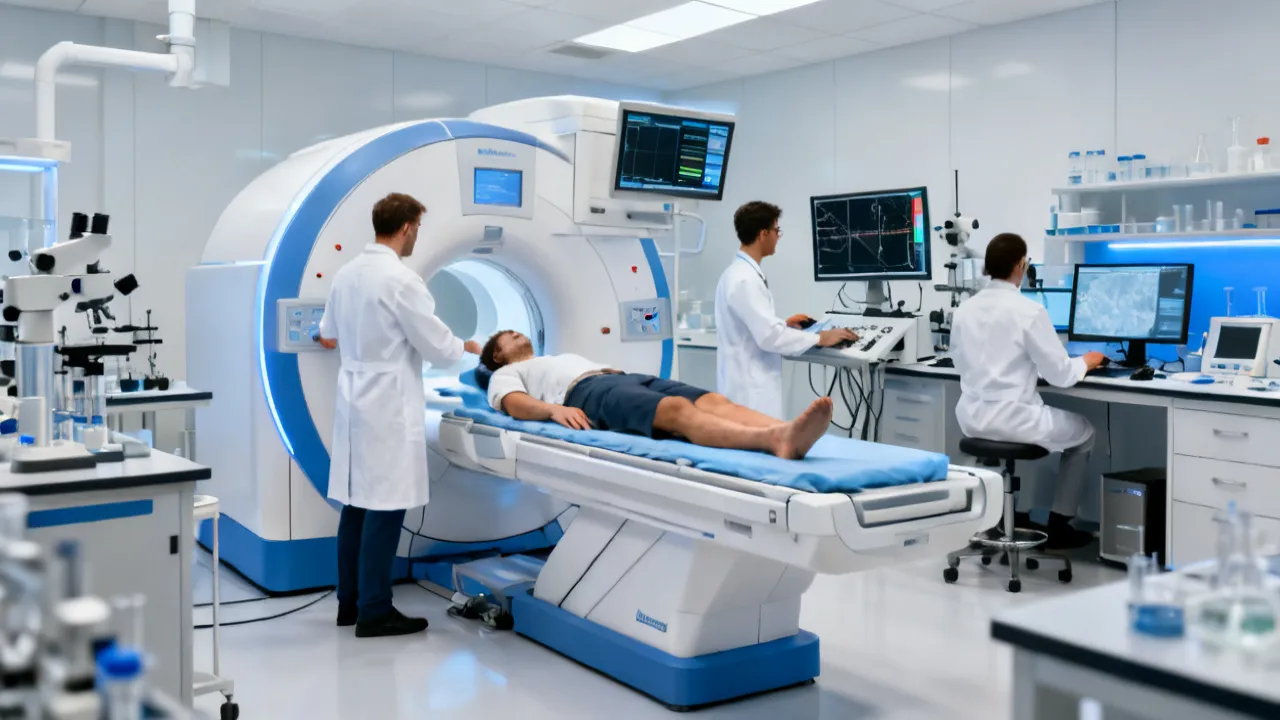

Delving into the Oncemrk Trial
The Oncemrk Trial emerges as a significant milestone in clinical research, aiming to offer new insights and potential breakthroughs in medical treatments. This extensive article unpacks the intricacies of the Oncemrk Trial, its impact on medical science, and its contribution to the field of clinical trials. Each section aims to provide a thorough analysis from an expert's perspective, enhancing understanding and knowledge.

Understanding the Oncemrk Trial
The Oncemrk Trial represents a pivotal step forward in clinical research, integrating advancements in technology and methodology to enhance outcomes and efficacy across treatments. By delving into this trial, researchers and practitioners aim to uncover transformative insights that could potentially reshape medical protocols and therapeutic approaches. This trial exemplifies a modern approach to clinical studies that aims to bridge the gap between traditional trials and contemporary demands for personalized medicine.
The Background of the Oncemrk Trial
The trial was launched with the objective of addressing critical unanswered questions within the realm of medical science. The key focus is on elevating patient care and tailoring treatments based on innovative research techniques. By broadening the scope of traditional trials, the Oncemrk Trial is anticipated to set benchmarks for future clinical investigations. Historically, clinical trials have faced challenges such as limited participant diversity, short observation periods, and rigid treatment protocols, which can lead to generalized findings that may not always translate effectively to the broader patient population. The Oncemrk Trial seeks to counter these limitations by adopting a more flexible and inclusive approach to research.
Key Objectives and Aims
The Oncemrk Trial strives to achieve several crucial objectives. Firstly, it looks to enhance the precision of existing treatments. This involves not only refining drug dosages but also identifying the specific populations that will benefit most from particular therapies. Secondly, it seeks to integrate novel therapeutic approaches that rely on cutting-edge research. This can include emerging technologies such as biomarker discovery, genetic profiling, and the use of artificial intelligence in treatment planning. Lastly, it aims to offer robust frameworks for upcoming clinical trials, paving the way for more accurate and patient-centric studies. By establishing these frameworks, the trial aspires to create pathways for seamlessly transitioning future studies into practical healthcare solutions.
Methodological Innovations
What distinguishes the Oncemrk Trial is its methodological approach, which amalgamates conventional methodologies with new-age digital analytics. This integration aims to refine data accuracy during the analysis phase, thus propelling the research towards more definitive conclusions. Such a meticulous approach ensures that each parameter of the trial is subjected to comprehensive scrutiny. Innovations may include adaptive trial designs that allow researchers to modify aspects of the trial while it is underway based on the initial results, as well as the use of real-world data to complement findings obtained from controlled environments. These advancements can lead to more adaptive and responsive research methodologies that are capable of addressing unforeseen challenges and opportunities as they arise.
Implementation Process
The implementation of the Oncemrk Trial entails a step-by-step progression, starting from participant selection to post-trial evaluations. The involvement of a diverse demographic ensures that the results are both inclusive and extensive, offering insights into varied patient responses. This comprehensive approach promises to bolster the reliability of results obtained from the trial. The selection criteria for participants are designed to encompass a wide range of demographics, ensuring representation across age, gender, ethnicity, and pre-existing health conditions, which are critical for generalizing results. Additionally, a detailed informed consent process is employed to guarantee that participants understand their roles and the potential implications of the study.
| Phase | Description |
|---|---|
| Phase 1 | Initial assessment and recruitment of participants based on stringent criteria. |
| Phase 2 | Implementation of the experimental protocol and close monitoring of results. |
| Phase 3 | Analysis of collected data and formulation of preliminary conclusions. |
| Phase 4 | Dissemination of findings and recommendations for future clinical applications. |
Impact on Medical Science
The ramifications of the Oncemrk Trial on contemporary medical science are profound. By potentially offering new pathways for treatment customization, the trial fosters a landscape where personalized medicine becomes the standard. Moreover, the trial enhances the diagnostic process, providing healthcare professionals with more detailed insights into patient-specific treatment impacts. With a focus on molecular diagnostics and individualized treatment protocols, the Oncemrk Trial empowers clinicians to make informed decisions based on the nuances of each patient’s condition.
Patient Engagement and Ethical Considerations
Integral to the Oncemrk Trial is the concept of patient engagement. Unlike many traditional clinical trials, the Oncemrk Trial emphasizes an iterative dialogue between researchers and participants. Patients are not just subjects; they are active collaborators in the research process. This engagement ensures that patient perspectives and preferences are considered, which is especially important in determining the acceptability and feasibility of new therapies. Ethical considerations also feature prominently in the trial, with strict adherence to guidelines that protect patient confidentiality and informed consent. Additionally, regular monitoring by an independent ethical review board ensures that the trial's conduct remains transparent and accountable.
Future Prospects
Looking forward, the Oncemrk Trial is likely to serve as a cornerstone for further innovations in clinical research. By establishing a model that prioritizes accuracy and comprehensiveness, it sets an admirable precedent for future studies aiming to enhance the therapeutic landscape. The impact of the Oncemrk Trial may extend beyond immediate clinical outcomes; it may lead to broader implications for healthcare policy and practice. As findings from the trial are disseminated through various channels, including academic publications, conferences, and healthcare workshops, they can influence clinical guidelines, funding allocations, and existing healthcare frameworks, thereby fostering a healthcare environment that prioritizes evidence-based practices.
Lessons Learned from Previous Trials
While the Oncemrk Trial is innovative, it also builds upon the lessons learned from previous clinical trials. Historical data reveals that many trials have suffered from recruitment challenges, high dropout rates, and inconsistent data collection processes. By incorporating flexible trial designs and robust retention strategies, the Oncemrk Trial seeks to mitigate these issues. For instance, researchers may utilize digital tools for patient reminders, online portals for data entry, and regular check-ins to keep participants engaged. Furthermore, by learning from the shortcomings of earlier trials, the Oncemrk Trial is better equipped to address demographic disparities and optimize recruitment practices, ensuring a more equitable representation of participants.
FAQs
- What is the primary aim of the Oncemrk Trial?
The primary aim is to improve the precision of existing medical treatments and integrate novel therapeutic approaches through innovative methodologies.
- How does the Oncemrk Trial differ from traditional trials?
It combines traditional methodologies with digital analytics, offering a more holistic approach to data analysis while enhancing patient engagement and personalization of care.
- What phases does the Oncemrk Trial include?
The trial encompasses four phases: Initial assessment, experimental protocol implementation, data analysis, and result dissemination, each critical to ensuring comprehensive outcomes.
- What implications does the trial have on personalized medicine?
The trial supports the advancement of personalized medicine by providing structured frameworks for tailored treatments based on robust data analytics.
The Oncemrk Trial has made a significant impact within the domain of clinical research, laying the groundwork for future breakthroughs. Its legacy, characterized by precision, inclusivity, and innovation, is poised to redefine the paradigms of clinical trials, ushering in a new era of medical science that prioritizes patient-centered approaches and ethical integrity.
Challenges and Considerations
Despite its myriad advantages, the Oncemrk Trial isn't without challenges. The incorporation of new methodologies and technologies often requires substantial training and adaptation for clinical staff. Resistance to changing established protocols may hinder the effective implementation of trial processes in some healthcare settings. Additionally, there is the challenge of ensuring data security and patient privacy in metrics-intensive environments. As data becomes increasingly integral to the research process, safeguarding sensitive patient information is paramount. The Oncemrk Trial addresses these challenges through comprehensive training programs and stringent data governance policies.
Collaboration and Multi-disciplinary Approach
Another key aspect of the Oncemrk Trial is its emphasis on collaboration across disciplines. The trial involves not only medical practitioners but also data scientists, biostatisticians, and bioethicists. This multidisciplinary approach enriches the research process, allowing for diverse perspectives and expertise to inform trial design and execution. Engaging experts from various fields can also lead to a more comprehensive understanding of the data, aiding in the interpretation and application of results. Collaborative efforts extend to partnerships with institutions, pharmaceutical companies, and regulatory bodies, creating a robust support network that facilitates smooth trial progress and fosters innovations in treatment options.
Contributions to Global Health
In addition to its potential implications for individual patient care, the Oncemrk Trial contributes to the broader field of global health. By prioritizing diversity within participant selection and considering various socio-economic factors, the trial addresses the disparities that often exist in healthcare access and treatment efficacy. The findings from the Oncemrk Trial can thus inform not only local health policies but also contribute to global initiatives aimed at improving healthcare systems worldwide. Understanding how treatments can be optimized for diverse populations is crucial in an increasingly interconnected world where health challenges are frequently global in nature.
Conclusion
Ultimately, the Oncemrk Trial stands as a beacon of modern clinical research, embodying the spirit of innovation and patient-centered care while addressing the complex challenges that characterize today's medical landscape. It merges cutting-edge technology with the compassionate practice of medicine, prioritizing the unique needs of patients and the overarching goal of enhancing health outcomes. The implications of the Oncemrk Trial transcend its immediate findings, potentially influencing clinical practice, healthcare policy, and educational paradigms in medical research for years to come.