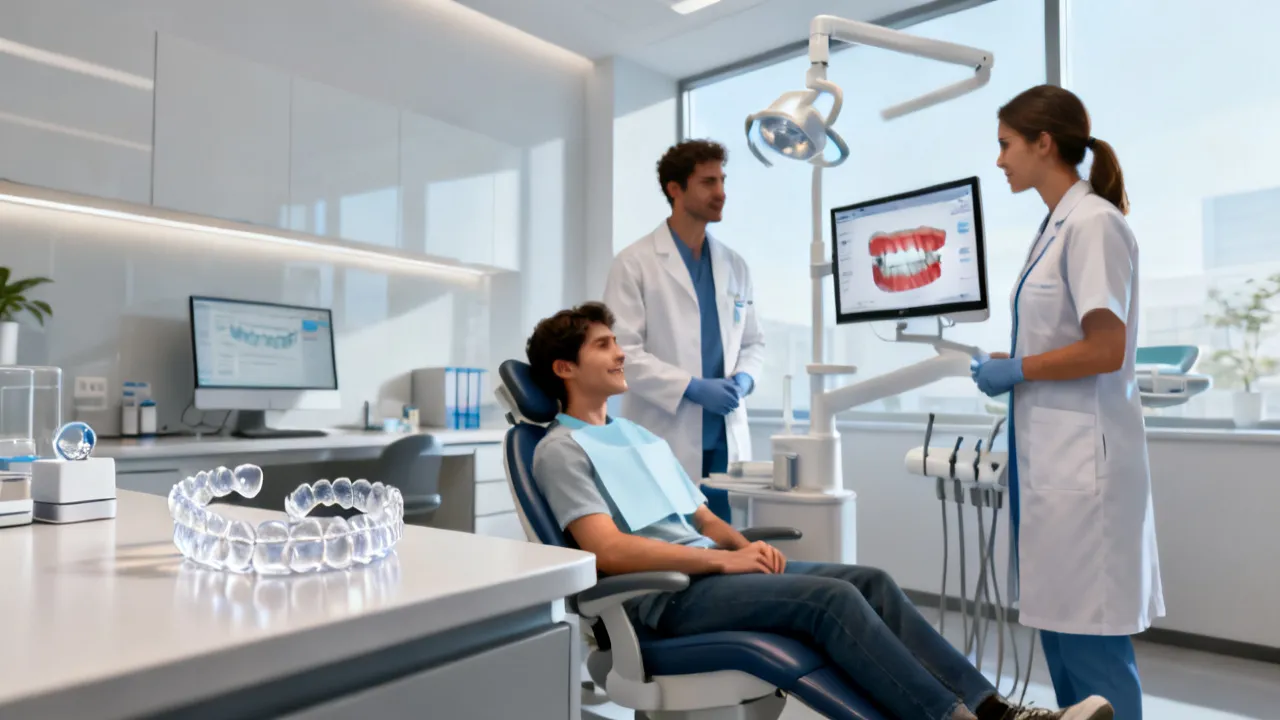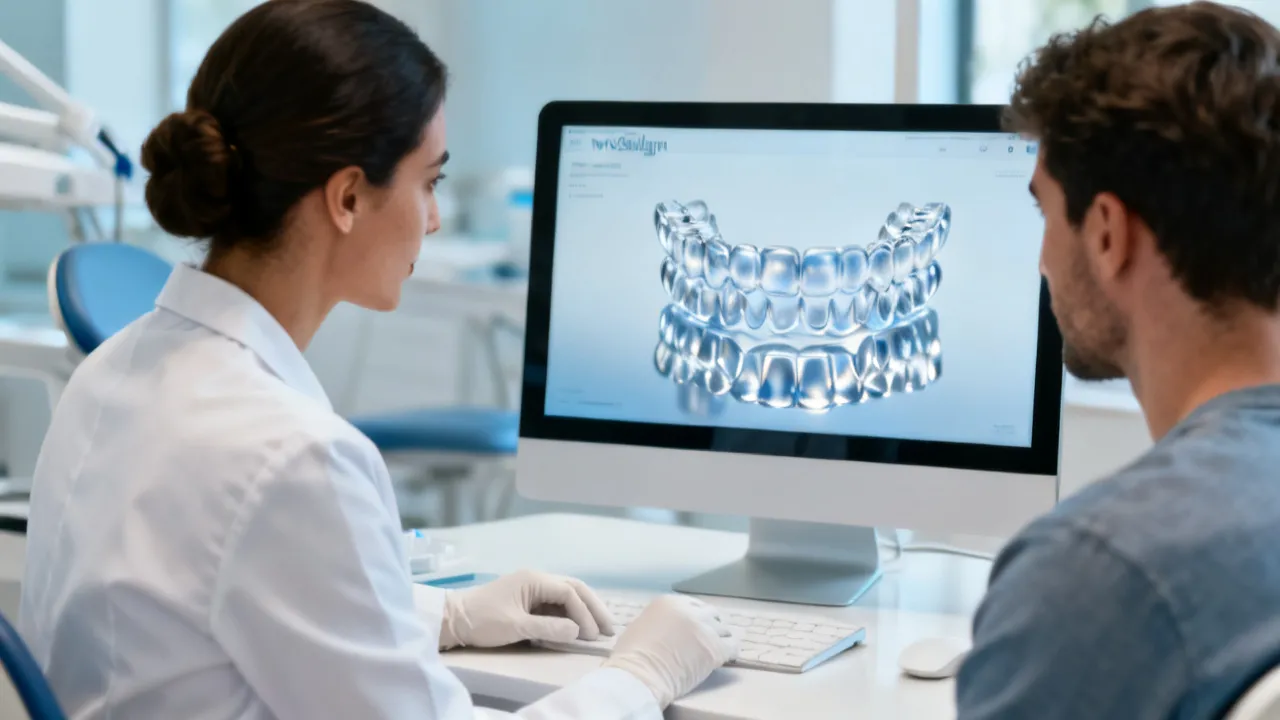

Invisalign G8: Expert Guide to Treatment Planning
This guide explains Invisalign G8 within a broader, evidence-based look at aligner orthodontics and how it compares with implant affordability pathways. It also outlines where patients can research low-cost dental implants, provides low-cost planning steps, and lists implant price ranges by country for reference. The objective focus helps readers prepare questions for clinics and insurance.
1) Executive Overview: What Invisalign G8 Means for Planning
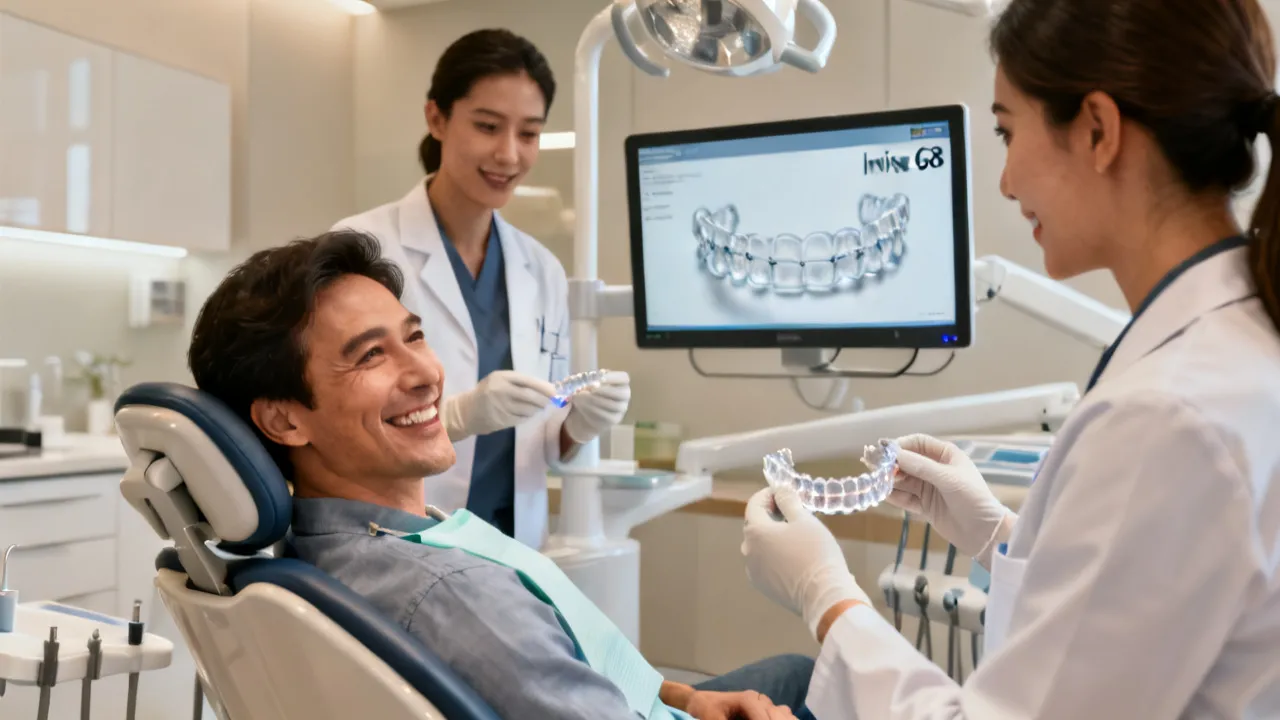
Invisalign G8 is positioned in the orthodontic market as an evolution of clear aligner technology, aimed at improving how clinicians plan tooth movement and deliver treatment with a highly controlled, staged approach. From an industry perspective, the practical value of Invisalign G8 for patients is less about marketing and more about how predictably and efficiently a qualified orthodontist can translate a digital plan into real-world outcomes—particularly when alignment, bite relationships, and staging decisions are clinically appropriate.
From a planning standpoint, “predictability” is not just a slogan; it’s the result of decisions made at multiple levels: diagnostic accuracy, feasibility assessment, treatment objectives, the sequencing of movements, and a retention strategy that protects long-term stability. When clinicians can align those elements into a coherent workflow, aligners can work well for people who want discreet orthodontic care without the bulk of traditional braces.
In practical terms, Invisalign G8 (like other Invisalign-style aligner pathways) often shows up in “whole-smile” planning because orthodontics is rarely an isolated task. Changing tooth positions can change how teeth contact each other, how gums respond, and how space is distributed in ways that may later influence restorative decisions such as crowns, bridges, and dental implants. A patient who is thinking about implants should therefore view orthodontics as a potential part of restorative success—not simply a cosmetic alignment step.
For patients simultaneously considering restorative options (including dental implants), affordability planning should be approached as a sequence of decisions: diagnostic clarity first, then treatment sequencing (orthodontics vs. implants), and only afterward cost optimization through insurance, financing, or dental tourism where appropriate. If cost is pursued before sequencing is clarified, patients can end up paying for orthodontic or implant work that later needs revision or redesign. Conversely, if sequencing is clarified early, cost can be optimized while protecting the biological and mechanical fundamentals required for success.
Finally, it’s important to remember that “low cost” is not a single number. It’s a strategy that has to coexist with clinical safeguards: imaging quality, planning completeness, component matching, sterile technique, and aftercare. Invisalign G8 should be treated the same way: a cost-conscious patient should still insist on appropriate diagnostics and a realistic retention plan, because those are major drivers of long-term outcomes.
2) Why Aligners Like Invisalign G8 Often Appear in “Whole-Smile” Planning
Invisalign-style orthodontics is commonly considered when patients want a discreet method to correct malocclusion, crowding, spacing, and certain bite issues. A key reason “whole-smile” planning is popular is that orthodontics can change tooth positions, which may later influence restorative decisions such as crowns, bridges, or implants.
“Whole-smile” planning is especially relevant for patients who:
- Have missing teeth or are anticipating tooth replacement (implants, bridges, or partial dentures).
- Need space created or modified for future restorations.
- Have bite issues that make restorative work less stable or less functional if addressed without orthodontics first.
- Have crowding that affects the alignment of adjacent teeth and the appearance of restorations.
- Have uneven wear or trauma from malocclusion that might worsen if bite is corrected without orthodontic staging.
From an expert planning standpoint, Invisalign G8 is top discussed as part of a workflow:
- Diagnosis and case selection: not every malocclusion is identical; clinicians must confirm feasibility.
- Digital setup and staging: aligners are delivered as progressive steps; planning reduces guesswork.
- Monitoring and refinement: follow-ups and adjustments respond to tooth response.
- Retention strategy: the end of active alignment is not the end of treatment success.
This is also where patients should think carefully about timelines: if you need future implants, orthodontics may be used to optimize space, occlusion, and tooth support—factors that can affect implant positioning and good stability. For example, an implant placed in the wrong angulation or in a space that is not properly prepared by orthodontic movement can create restorative limitations later, such as awkward crown contours, hygiene access problems, or unfavorable bite contacts. Proper orthodontic staging can reduce these risks by coordinating tooth positions with planned implant sites.
Another reason aligners appear in whole-smile planning is that they can improve the esthetic “framework” before restoration. If a patient has mild to moderate misalignment, aligning teeth can reduce the need for aggressive reshaping of teeth during cosmetic dentistry. That matters for cost and longevity: when you can let orthodontics do part of the work, you often decrease how much restorative adjustment is required. That does not mean restorations are unnecessary; it means the restorative plan can be more conservative and potentially more durable.
However, there is also a “caution side” to whole-smile planning: if a patient chooses orthodontics without considering restorative endpoints, the final occlusion may still be suboptimal for implant prosthetics or crown placement. Whole-smile planning should therefore define end goals clearly—functional goals (how teeth meet), structural goals (how space and tooth support will look), and esthetic goals (how restorations will appear).
3) Invisalign G8 in Context: Aligners, Biomechanics, and Predictability
Invisalign G8 is typically understood as a refinement to clear aligner delivery rather than a single, one-size-fits-all “device.” Clinically, aligner outcomes depend on how well the treatment plan matches the biology of tooth movement, including periodontal support, root positioning, and the patient’s compliance with wear time.
“Biomechanics” in aligner treatment is often misunderstood as merely “teeth move because the plastic is pressing them.” In reality, aligner biomechanics involves controlled force systems, staged movement with changing aligner shapes, and careful management of tipping vs. translation, root torque, and control of rotations. Achieving those movements predictably depends on both the planned mechanics and the patient’s ability to wear aligners consistently and attend scheduled check-ins.
Industry-level top practice emphasizes that predictability increases when these conditions are met:
- Clear treatment objectives are documented (what is moving, how much, and in what sequence).
- Clinician oversight is consistent, with scheduled check-ins and tracking.
- Patient adherence is strong (aligner wear as recommended is a major driver of results).
- Retention is planned early, because relapse risk exists if retention is delayed or inadequate.
To expand on that, many patients focus primarily on the aligner’s visibility and comfort, but predictability is often more influenced by what happens behind the scenes:
- Initial assessment and feasibility: clinicians evaluate tooth anatomy, root position, periodontal bone levels, and whether the desired movements are within safe boundaries.
- Staging length and pacing: rapid staging may increase the risk of incomplete movement or discomfort; appropriate pacing helps reduce friction and improves tracking.
- Attachments and auxiliaries: attachments, elastics, and other features may be used to create better force control for certain movements.
- Monitoring and mid-course corrections: sometimes the plan is adjusted when teeth behave differently than expected; this is where follow-up matters.
For readers comparing options, an important objective takeaway is that no aligner brand eliminates the need for clinical judgment. The technology may help staging and visualization, but outcomes still rely on practitioner expertise and case selection. If a patient is offered an aligner plan without clear explanation of limitations, movement targets, attachment use, or retention, then “predictability” may be less robust than the marketing suggests.
From a cost perspective, predictability can also reduce hidden expenses. When aligner plans fail to achieve their intended movements, patients may need additional refinements, extra appointments, or even a transition to another orthodontic modality. While orthodontic refinements can be part of normal care, avoidable failure can increase total cost and time burden. Therefore, the “low cost” patient should treat clinician quality and planning completeness as cost-protective investments.
When implants are in the picture, the orthodontic plan should also consider how alignment affects occlusion and implant site conditions. Certain bite corrections may require elastics that temporarily change how teeth load; clinicians must ensure these changes do not compromise periodontal health or complicate later restorative mechanics.
4) Low-Cost Dental Implants: Why Cost Varies So Much
While Invisalign G8 concerns orthodontic alignment, many patients also research low-cost dental implants when they face missing teeth, restore chewing function, or stabilize a bite for good oral health. Implant costs are variable because they depend on:
- Surgical complexity (bone volume, need for grafting, proximity to anatomical structures).
- Restorative requirements (temporary restoration, crown materials, abutment type).
- Diagnostic workflow (CBCT imaging, digital planning, surgical guides).
- Clinician and facility factors (specialty training, lab partnerships, quality assurance).
One of the most important clarifications for patients researching low-cost implants is that price differences rarely represent “profit margin” alone; they often represent differences in clinical scope. For example:
- Two clinics may quote “one implant,” but one may include CBCT imaging and guided planning while the other may rely on limited imaging.
- One quote may include grafting if needed; the other may assume grafting is not required and later upsells or charges extra if the clinical situation changes.
- One plan may include a high-quality prosthetic component and labor cost; another may quote a cheaper restoration package that may have different longevity expectations.
- One clinic may offer structured follow-up and maintenance, while another may provide fewer post-operative check-ins.
To evaluate “low cost” responsibly, it helps to treat affordability as an optimization problem rather than a bargain search. The low price option can be expensive good if quality, fit, and follow-up care are compromised.
Patients can think of implant cost as multiple layers of value. The value layers include:
- Diagnostic accuracy: correct identification of bone volume, anatomy, and risk factors.
- Placement precision: positioning that allows restorative options and facilitates hygiene.
- Biological planning: risk management for healing, peri-implant tissue health, and long-term stability.
- Prosthetic engineering: choosing abutments, crowns, and materials that fit and function well.
- Aftercare system: scheduled checks for osseointegration, tissue response, and adjustment of the occlusion.
When patients compare quotes only by the lowest number, they risk paying less upfront but more later for adjustments, remakes, or replacement. A “low-cost” strategy can still be successful if the patient negotiates scope transparency and confirms exactly what is included.
In addition, implant cost can be influenced by the implant brand, surface technology, warranty policies (where available), and the complexity of prosthetic design. If the implant is positioned in a way that forces a complicated prosthetic workaround, it can increase lab and restorative cost later even if the implant itself was low-cost.
Finally, it’s worth noting that low-cost implants may sometimes appeal to patients who are also orthodontic patients. If Invisalign-style orthodontics is planned, the sequencing between aligner treatment and implant placement must be defined. Implant timing impacts healing and prosthetic planning, which then affects overall cost and risk.
5) Websites for Low-Cost Dental Implant Information: Comparison Table
Below is a compact comparison of websites commonly used by patients to understand low-cost dental implant options, typical decision points, and how costs may be approached. This table is informational and does not replace a professional dental evaluation.
| Website focus | What patients typically find |
|---|---|
| Dental cost-focused education | Explains dental implant benefits, treatment pathways, and how cost is shaped by factors like procedure type and planning steps. |
| Multi-service clinic overview | Service descriptions across cleaning, orthodontics, implants, and emergency care, often including appointment and location information. |
| Dental tourism and cost comparisons | Compares treatment costs across countries and discusses travel arrangements for patients seeking affordability abroad. |
| Insurance guidance | Explains dental insurance planning, how coverage works, and ways patients may reduce out-of-pocket expenses. |
|
source: The following websites provided the basis for the comparison above.
[www.dentalviews.com](https://dentalviews.com/low-cost-dental-implants/)
[www.atlanticdentalgrp.com](https://www.atlanticdentalgrp.com/) [www.dentavacation.com](https://www.dentavacation.com/) [www.rockvilledentalarts.com](https://rockvilledentalarts.com/es/) |
Note: The links above are listed immediately after the table, per your requested structure, and they serve as the information sources for this section.
While online resources can help patients form questions and understand common cost drivers, they should not be treated as a replacement for clinical assessment. A website might explain that implants require CBCT imaging, but your clinical eligibility and your exact anatomy will determine what is actually needed. A patient who uses these websites responsibly will still seek in-person evaluation, especially for complex cases involving grafting, sinus proximity, nerve location, or aesthetic zone considerations.
Another way to use websites effectively is as a “scope-check” tool. For example, if a website emphasizes that implant success depends on planning and follow-up, the patient can use that information to request an itemized plan. If a website discusses dental tourism, the patient can use that information to ask about post-travel care arrangements.
In bilingual or multilingual contexts, websites can also help reduce communication barriers. When patients can read about dental procedures in Spanish or Portuguese, they are more likely to understand consent processes and post-operative instructions, which in turn supports better compliance—an important success factor for both orthodontic aligners and implants.
6) How to Get Dental Implants at Low Cost in English-, Spanish-, and Portuguese-Speaking Countries
This section translates common affordability strategies into a practical, step-by-step process. The goal is to help patients approach lower costs without compromising core clinical requirements such as imaging, appropriate planning, and follow-up care.
Because the decision to pursue low-cost care involves medical risk management, it’s helpful to frame the process as “reduce costs without removing essential components.” In other words, you’re not simply looking for the cheapest number; you’re looking for the best value per unit of clinical safety and long-term function.
6.1 Step-by-step affordability pathway
-
Confirm your clinical need and treatment sequence
Before cost comparisons, determine whether you need a single implant, multiple implants, or full-arch solutions. Also clarify if orthodontics (for example, Invisalign G8) should be completed before implants, especially when bite correction or tooth alignment affects implant positioning. -
Request standardized diagnostic information
Ask for CBCT imaging (where indicated), a treatment plan outlining surgical and restorative steps, and a clear timeline. If one provider can’t explain the plan in detail, lower cost may reflect incomplete workup. -
Ask for itemized quotes
Compare at least three line items across quotes: imaging/planning, surgery (including any grafting), and the final prosthetic restoration. A “low” package price can change once restorations or additional procedures are included. -
Check insurance fit and pre-authorization rules
In some regions, dental benefits may reduce out-of-pocket costs if the plan covers diagnostics, surgery, or prosthetics. If you are considering insurance-based cost reduction, review terms and required documentation before committing. -
Consider clinic experience and quality systems
Low-cost does not have to mean low quality, but you should look for consistent protocols: sterile technique, implant system documentation, and follow-up schedules for healing assessment. -
Evaluate dental tourism cautiously (when permitted and appropriate)
For patients comparing costs across borders, ensure a plan exists for complications, post-op checks, and restoration adjustments. Remote coordination should not replace follow-up care. -
Use transparent financing carefully
Many clinics offer payment plans. Compare total cost, interest terms (if any), and how fees relate to staged treatment milestones. -
Schedule follow-ups before you pay in full
Ask for a follow-up schedule and confirm that you can return for post-operative evaluation. Implant success depends on healing and monitoring.
To make this pathway more practical, consider building a “quote comparison worksheet” in your preferred language. For example, you might include fields such as: number of implants, imaging type, whether grafting is included, implant system brand and model, abutment type, crown material, warranty or guarantee policies (if stated), number of follow-up visits included, and who provides emergency contact. When you put these elements side-by-side, it becomes easier to identify whether a low-cost quote is truly comparable or simply missing components.
In English-, Spanish-, or Portuguese-speaking contexts, communication style can also affect outcomes. Patients often feel more comfortable asking for clarifications when providers use simple language, visuals, or written summaries. That’s not a “soft skill” detail—it can reduce misunderstandings about timelines and aftercare, which can lead to fewer complications and fewer costly corrections.
6.2 Conditions and requirements to discuss with a provider
Patients can reduce avoidable expenses when they verify these items up front:
- Clinical eligibility: bone quantity, periodontal health, and systemic conditions that affect healing.
- Implant selection: the implant system used and the restorative components that will be matched to it.
- Procedural scope: whether bone grafting, sinus lift, or additional steps are expected.
- Prosthetic design: crown material and expected longevity planning.
- Timeline realism: healing intervals and when the final restoration can be placed.
- Post-treatment support: maintenance plans, cleaning instructions, and when to return for checks.
Expanding the last point—maintenance and post-treatment support—is particularly important because implants are not “set and forget.” Many implant-related failures are not sudden; they often involve gradual changes in peri-implant tissue. Costs can rise if patients are not supported with structured maintenance visits.
Patients who are also working through orthodontics (such as Invisalign G8) should confirm whether implant maintenance protocols differ during or after aligner treatment. Orthodontic aligners can make cleaning more complex because they add retentive surfaces and change where food debris accumulates. If implants are placed during an orthodontic phase, the care team should provide specific instructions for cleaning around healing implants and aligners, and coordinate timing for appointments.
For affordability, patients should also ask about the “what if” scenarios:
- What happens if grafting is discovered to be necessary during treatment?
- What happens if healing takes longer than expected?
- What happens if the final crown needs adjustment for bite or fit?
- Is there a remake policy if the restoration does not meet fit or comfort standards?
By asking these questions, patients can avoid surprise costs that often occur when a quote is not fully scoped.
7) Implant Cost Ranges by Country (Reference Only)
Cost estimates for dental implants can vary widely. The following ranges are provided to help readers understand broad affordability patterns by location. They cover individual dental implants only and are intended for orientation rather than budgeting guarantees.
| Country | Currency | Price range (per implant) |
|---|---|---|
| United States (US) | USD | $3,000 - $6,000 |
| United Kingdom (GB) | GBP | £2,000 - £2,500 |
| Australia (AU) | AUD | AU$3,500 - AU$6,500 |
| Canada (CA) | CAD | CA$3,000 - CA$5,500 |
| Spain (ES) | EUR | €1,500 - €2,500 |
| Chile (CL) | CLP | CLP$800,000 - CLP$1,500,000 |
| Mexico (MX) | MXN | $15,000 - $25,000 |
| Colombia (CO) | COP | $2,000,000 - $4,000,000 |
| Peru (PE) | PEN | S/ 3,000 - S/ 6,000 |
| Argentina (AR) | ARS | $80,000 - $150,000 |
| Brazil (BR) | BRL | R$3,000 - R$8,000 |
| Portugal (PT) | EUR | €1,000 - €2,000 |
| Germany (DE) | EUR | €2,000 - €3,500 |
| France (FR) | EUR | €1,500 - €2,500 |
| Italy (IT) | EUR | €1,500 - €3,000 |
| Japan (JP) | JPY | ¥300,000 - ¥700,000 |
Although these ranges can help patients form an initial budget, they do not capture individual complexity. A single implant can cost significantly more if bone augmentation is required, if the prosthetic design involves a more complex abutment, if the case requires staged procedures, or if additional imaging and surgical guides are part of the plan.
Conversely, a low-cost implant quoted in one country might be higher-quality value than a higher quote elsewhere if the lower quote includes fewer components. That’s why scope matters more than geographic averages. A patient seeking affordability should aim to compare like-for-like: same diagnostic imaging, same prosthetic scope, and an equivalent plan for follow-up and maintenance.
For planning with Invisalign G8, it’s also useful to consider that implant costs might occur in phases. If orthodontics is used to prepare a space, the implant phase might occur later, meaning the total cost across the orthodontic and implant timeline can be spread out. The patient should ask for a combined treatment timeline and budget rather than treating orthodontic costs and implant costs as fully separate decisions.
8) Reframing “Low Cost” with Real Clinical Priorities
In expert discussions, the phrase “low cost” is very meaningful when it can be explained alongside clinical safeguards. Patients often underestimate how much implant success depends on:
- Bone condition and whether grafting is needed.
- Placement accuracy and how well the restorative component matches the implant position.
- Maintenance after placement (professional cleaning and home-care compliance).
- Management of risk factors such as smoking or uncontrolled diabetes.
Similarly, for Invisalign G8, success is tied to clinician planning and patient wear compliance. If a patient is seeking low-cost orthodontics, they should still confirm clinical quality: appropriate diagnostics, realistic milestones, and a clear retention plan.
To reframe affordability intelligently, consider the “hidden cost of inadequate planning.” Hidden costs can include:
- Repeat imaging or extra visits because the first diagnostic workup was incomplete.
- Additional aligner refinements when movements were not tracked as planned.
- Prosthetic redesign if implant placement made restorative mechanics difficult.
- Longer treatment time if patient discomfort or poor tracking leads to delays.
- Maintenance costs that increase if peri-implant tissues are not monitored systematically.
Thus, affordability should be evaluated as a total value equation. The patient can reduce financial risk by negotiating clarity upfront. For Invisalign G8, ask how many aligner stages are planned, what the refinement policy is, and what retention system is recommended. For implants, ask what the quote includes and what the “extra procedure triggers” are (for example, grafting, sinus lift, or additional clinical visits).
Another crucial point is that some low-cost offers may be attractive because they are time-limited packages. If a patient needs more steps due to anatomy or movement complexity, they may find themselves paying additional fees later. A transparent plan should ideally describe what “success” looks like and what outcomes are expected if movements do not progress as planned.
For patients considering both orthodontics and implants, the cost equation also includes coordination. If orthodontic treatment is poorly coordinated with implant planning, the patient could face:
- Implants placed before occlusion and space are optimized, leading to prosthetic limitations.
- Orthodontics continued longer than expected due to restorative constraints discovered later.
- Potential need for tooth movement adjustments after implant placement (which may or may not be ideal depending on healing stage).
Therefore, the best “low cost” approach is not only about discounts; it’s about correct sequencing and minimizing rework.
9) Localized Considerations Across English-, Spanish-, and Portuguese-Speaking Patient Contexts
Because patient expectations differ by region, affordability strategies should reflect local communication norms and service models. For example:
- English-speaking contexts: patients often compare clinic credentials, payment plans, and online educational resources before booking consultations.
- Spanish-speaking contexts: many clinics provide Spanish-language care pathways and detailed service descriptions; this can reduce friction for patients when discussing procedures, consent forms, and post-op instructions.
- Portuguese-speaking contexts: some dental service networks and local clinics emphasize accessibility via a broad range of treatments (orthodontics, implants, aesthetics), which can simplify care coordination.
Localization is not only language; it is also about cultural expectations of care. In some settings, patients may prefer a more direct explanation of procedures and costs, while in others they may prefer a stepwise explanation. Patients can improve affordability outcomes by making sure they understand:
- What is included in the quote (and what is not).
- What documentation is required for insurance approval.
- How follow-ups are scheduled and what happens in case of complications.
- Whether there is a maintenance plan after implant placement.
For Invisalign G8 planning, similar localization matters. Patients may be asked to attend periodic check-ins, wear elastics (if prescribed), and maintain consistent aligner wear routines. If instructions are not clearly communicated in a patient’s preferred language, adherence may suffer. That can increase the probability of refinements, which effectively increases cost.
For implants, instructions after surgery are essential. Patients need clear guidance on hygiene, swelling management, diet, pain control, and when to return for evaluation. When post-op instructions are misunderstood, patients can inadvertently increase risk and require additional care.
In bilingual or multilingual regions, another affordability factor is administrative coordination. Some networks can simplify scheduling across specialties. If orthodontics and implant planning are coordinated within the same system, it can reduce duplication of diagnostic procedures and reduce appointment travel. This can be a “quiet cost saver” for patients comparing low-cost options.
10) Practical Checklist: Questions to Ask About Invisalign G8 and Implant Planning
Whether you are prioritizing Invisalign G8 orthodontics or planning for implants, a structured question list often improves decision quality.
- For Invisalign G8: What is the diagnosis and treatment objective? Which teeth are expected to move, and what limitations exist? What is the expected wear schedule? What retention method will you recommend and for how long?
- For implants: Am I a candidate for placement without grafting? What imaging will be used? What is included in the quote (surgery, abutment, crown, follow-up visits)? What happens if additional procedures become necessary?
- For sequencing: If I need orthodontics and an implant, which comes first in your plan and why? How will tooth alignment and bite changes affect implant positioning?
To go one step further, a patient can bring a “decision matrix” to consultations. This matrix can help them weigh value versus uncertainty. For example, if one clinic offers a low price but cannot explain sequencing rationale, then the uncertainty cost might outweigh the savings. If another clinic has a slightly higher price but includes imaging, a detailed timeline, and clear retention/aftercare, the patient’s total cost risk may be lower.
When dealing with both aligners and implants, patients should also ask whether there is a coordinated timeline. In some cases, orthodontics is completed first to optimize space and occlusion, then implants are placed. In others, a staged approach is used. Either way, the care team should communicate the plan so the patient understands the “why” behind sequencing rather than simply accepting a default protocol.
Here are additional practical questions that can reveal whether you’re getting full scope value:
- What is the refinement policy for Invisalign: If movements do not track, what additional fees might apply?
- Are attachments used: Which teeth receive attachments, and why?
- Are elastics planned: If yes, how many hours per day and for how long?
- Retention compliance plan: What is the minimum retention schedule, and what happens if retention is missed?
- For implants, what restoration type is planned: screw-retained vs cement-retained crowns, and how does that affect maintenance?
- For implants, what is the follow-up schedule: When are checks performed and what is assessed at each visit?
- For both, what is the total timeline: How long does it take from diagnosis to final restoration?
- For both, who is responsible for coordination: Is there a single coordinator or team that manages orthodontics-to-restorative transitions?
11) FAQs
FAQ 1: What is Invisalign G8, and is it suitable for every orthodontic case?
Invisalign G8 is generally understood as a clear aligner approach within a branded ecosystem. Suitability depends on the malocclusion type, tooth movement complexity, periodontal health, and the clinician’s treatment plan. A thorough orthodontic evaluation is required to determine feasibility.
FAQ 2: Does Invisalign G8 replace the need for dental implants?
No. Invisalign G8 addresses alignment and bite relationships, while dental implants address missing teeth and restorative needs. In some treatment plans, orthodontics can be used to optimize spaces and bite conditions before implant placement.
FAQ 3: How can I find low-cost dental implants without sacrificing quality?
Request itemized quotes, confirm diagnostic imaging and planning, and ask about follow-up schedules. Compare clinical scope rather than only total cost. In insurance settings, verify coverage rules and any documentation requirements.
FAQ 4: Are dental tourism options reliable for lowering dental implant costs?
Dental tourism can sometimes reduce expenses, but reliability depends on the quality of the clinic, the clarity of post-treatment follow-up, and contingency planning for complications. Patients should verify who provides care after return, including restoration adjustments and ongoing maintenance needs.
FAQ 5: What factors very influence the final cost of an individual dental implant?
Common cost drivers include surgical complexity (and grafting needs), imaging and guided planning, implant system and components, restoration materials, and the number of clinical visits required for healing and final seating.
FAQ 6: Do the price ranges by country guarantee what I will pay?
No. The ranges are reference only and can vary by region, clinic policies, clinical complexity, and the restorative plan. A patient-specific quote requires a consultation and diagnostic workup.
FAQ 7: Should I prioritize implants before orthodontics if I’m considering both?
Often, sequencing depends on the bite, space requirements, and implant positioning goals. In many cases, clinicians may recommend orthodontic alignment first to improve restorative outcomes, but this is not universal. Your dental team should explain the rationale based on your imaging and exam.
12) Conclusion: A Balanced Strategy for Orthodontics and Implant Affordability
Invisalign G8 can be a strong option for patients seeking controlled, staged orthodontic movement, provided the case is appropriate and the retention plan is taken seriously. For dental implants, “low cost” should be managed through standardized diagnostics, itemized scope comparisons, and careful attention to follow-up and aftercare.
By treating treatment planning and affordability as connected decisions—rather than isolated purchases—patients can reduce the risk of unexpected costs and improve the likelihood of predictable outcomes.
In practice, the best financial decision is often the one that minimizes rework. When orthodontic staging is coordinated with implant planning, and when implant quotes are compared by clinical scope rather than price alone, the patient can make a more confident choice. This approach supports both oral health outcomes and long-term budget stability.
Ultimately, whether a patient is prioritizing Invisalign G8 alignment or seeking low-cost dental implants, the underlying principle is the same: clarity wins. Clarity of diagnosis, clarity of sequencing, clarity of what’s included, and clarity of aftercare. With that clarity, affordability becomes a structured plan rather than a guess—and patients are more likely to achieve the outcomes they want: a functional bite, stable tooth replacement, and a smile that lasts.
Disclaimer
1) The above information comes from online resources, and the data is as of October 2023. 2) Dental implant prices are for reference only and may vary by region, clinic and doctor.
References (All Links Used in This Article)
[source: dentalviews.com/low-cost-dental-implants](https://dentalviews.com/low-cost-dental-implants/)
[source: atlanticdentalgrp.com](https://www.atlanticdentalgrp.com/)
[source: dentavacation.com](https://www.dentavacation.com/)
[source: rockvilledentalarts.com/es](https://rockvilledentalarts.com/es/)