
Invisalign G8: Expert Guide to Clear Alignment Options
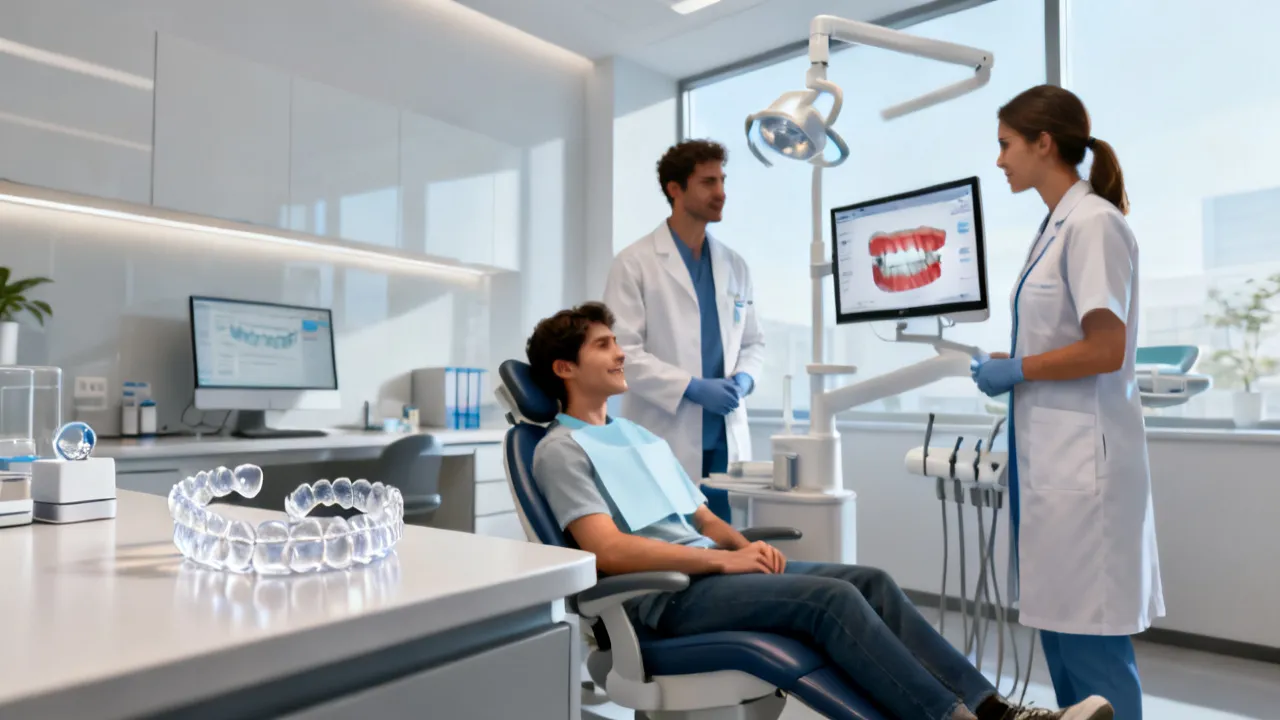
This guide explains Invisalign G8 and how modern clear-alignment pathways are evaluated in dental practice. It provides objective background on orthodontic alignment, discusses what influences treatment timelines and suitability, and outlines practical decision steps. You’ll also find low-cost dental implant context, cost ranges across major regions, and FAQs to support informed conversations with clinicians.
1) Why this guide matters for Invisalign G8 seekers
If you’re researching Invisalign G8, the most valuable first step is learning how eligibility, treatment planning, and follow-up typically work in clear orthodontic treatment—so you can have a precise, clinically grounded conversation with your dentist or orthodontist. This guide is written from an industry-expert perspective. It emphasizes evidence-aligned decision factors rather than promotional claims, because the real determinants of outcomes are usually clinical suitability, digital/biomechanical planning accuracy, and ongoing monitoring—not the marketing label attached to a generation or workflow.
Invisalign-style systems are often presented as “one-size-fits-all,” but in practice, clear aligner therapy is best understood as a controlled orthodontic process that depends on individualized records, careful treatment setup, and consistent patient cooperation. When people search for “Invisalign G8,” they may be looking for a specific iteration of the aligner workflow—possibly differences in materials, attachments strategy, digital staging, or refinement mechanics. However, your care will still be constrained by biological limits (root morphology, periodontal conditions, bone support, tissue response) and by mechanical limits (what the aligner can reliably do versus what may require adjunctive mechanics, elastics, attachments, or even a different appliance plan).
So why does this guide matter? Because it helps you ask better questions earlier. If you know what clinicians evaluate, how they decide whether a case can be done safely and predictably, and what they do when tooth movement deviates from the plan, you can reduce uncertainty. That, in turn, helps you avoid common frustrations like aligners that don’t track, “surprise” refinements, unclear cost add-ons, prolonged treatment extensions, or a retention plan that’s under-specified.
Additionally, many Invisalign seekers are also dealing with broader dental goals—such as implants, crowns, bridges, or restorative alignment of occlusion. That means your orthodontic timeline can influence later restorative outcomes. Understanding the parallels between “low-cost” discussions in implants and the “best workflow” discussions in aligners can keep your decision-making realistic and safety-oriented.
2) What Invisalign G8 generally refers to (objective background)
Invisalign G8 is commonly used in online searches to describe a particular generation or product iteration of Invisalign-style clear aligner systems. In practice, “generation” labels are often shorthand for improvements in one or more of these areas: materials and elastic properties, refinement or scanning workflow, software planning refinements, attachment/auxiliary design capabilities, and staged aligner sequencing logic. Because naming conventions can vary by region, clinic marketing, and provider networks, the safest approach is to treat “G8” as a reference to a specific aligner workflow being offered—then verify exactly what it includes during consultation.
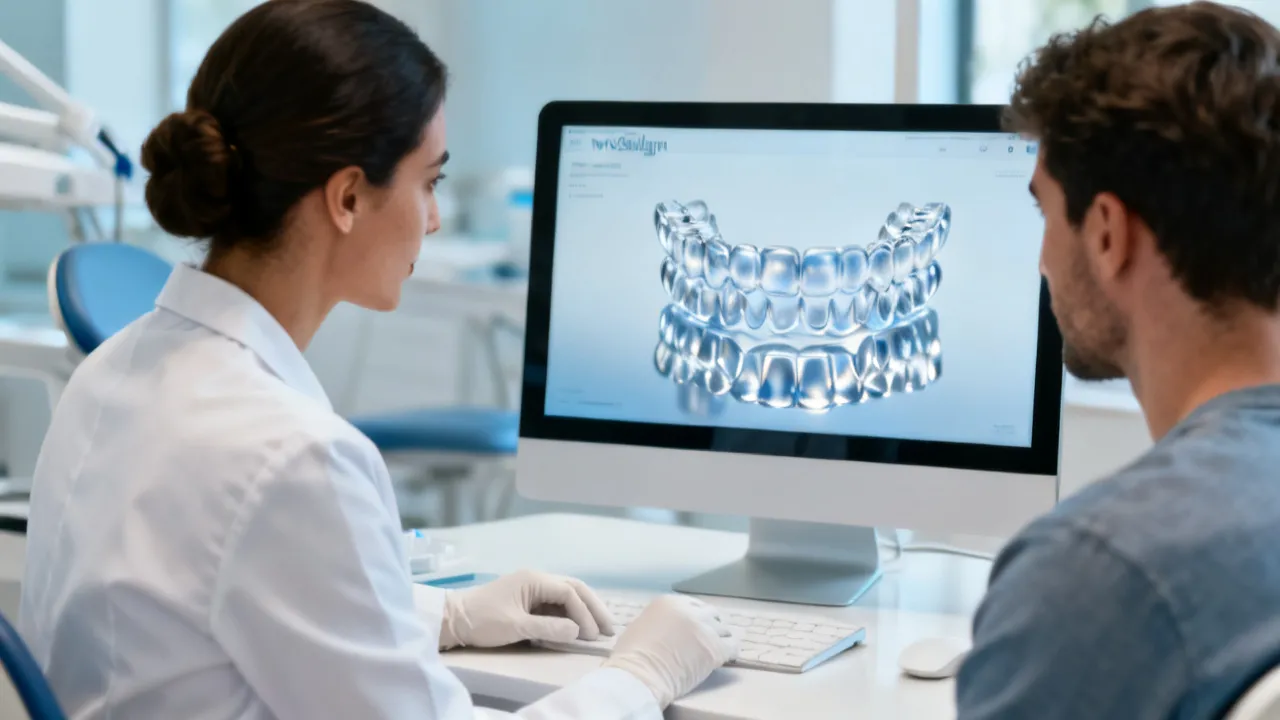
Clear aligner therapy is designed to gradually move teeth using a series of custom-made, removable aligners. The clinician’s job is to translate your clinical findings—bite relationships, tooth position, spacing or crowding, root inclinations, rotational status, and periodontal health—into a sequenced treatment plan. That plan must then be translated into physical aligners (and often attachments and elastics) that can deliver the intended forces within safe biological boundaries.
In that context, the “generation” concept can matter, but not in the simplistic way people often assume. A newer workflow might improve the accuracy of tooth movement predictions, the refinement process, or the ease of monitoring. Yet even a “best” system cannot overcome an inadequate clinical diagnosis, incomplete records, or poor follow-up. Conversely, an older workflow may still produce excellent results if the clinician uses strong planning principles and monitors the case carefully.
To make this practical: when a clinic says it uses Invisalign G8, you should ask whether it changes how they (a) capture records, (b) create the digital setup, (c) choose attachments, (d) plan staging and vertical control, (e) set tracking/checkpoints, and (f) handle refinements or rescan decisions. These questions focus on the operational aspects that most strongly affect outcomes.
3) How clear aligner treatment decisions are made in clinics
Industry experience shows that clear aligners succeed very consistently when the plan is clinically appropriate and monitoring is rigorous. Key evaluation points typically include:
- Orthodontic diagnosis accuracy: A comprehensive records set (clinical exam, intraoral scans or impressions, radiographs when needed, and bite assessment) is the foundation of an accurate orthodontic diagnosis. Without that foundation, the plan may be based on incomplete information about tooth position, root angulation, alveolar bone support, and occlusal relationships.
- Biomechanics suitability: Not all orthodontic movements are equally predictable with aligners. Rotations, certain tipping movements, translations, intrusion/extrusion, and controlled root torque may vary in predictability depending on case complexity. Clinicians assess movement feasibility using their understanding of aligner biomechanics and the capabilities of their planning software.
- Root and periodontal considerations: Providers consider root inclination changes and the patient’s periodontal status. The goal is to avoid unsafe root positioning that can compromise supporting structures or periodontal health. Aligners can move teeth, but the teeth are rooted in living bone—so biology constrains mechanics.
- Retention strategy: Good stability is not accidental. It depends on what retainer type is planned, how the patient will wear retainers after active treatment, and whether the original problem has been fully corrected (including occlusal settling). Without a robust retention plan, relapse risk increases.
- Tracking and refinement plan: Many cases benefit from planned progress checks and, where appropriate, refinements mid-course. The clinician should explain when they expect to rescan, how they decide whether to refine versus continue with the original plan, and what you should expect if tracking deviates.
- Patient factors: Comfort tolerance, hygiene habits, cooperation with wear time, and appointment compliance are part of case feasibility. Aligners are a “patient-in-the-loop” therapy; without adequate adherence, mechanical delivery fails.
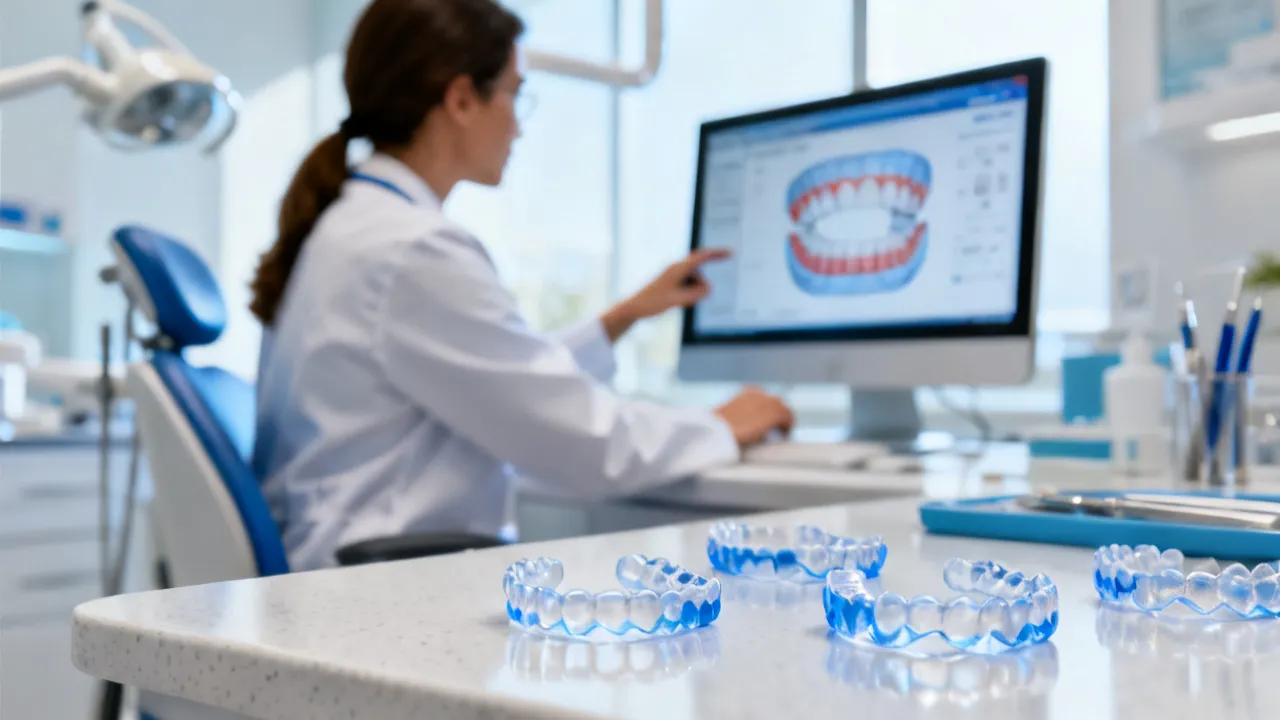
Where Invisalign G8 matters is often in how the clinic’s digital workflow is executed: how closely the planning matches clinical reality, how attachments and auxiliaries are modeled, how staging is sequenced, and how revisions or refinements are handled when teeth respond slightly differently than projected.
It also matters whether the clinic uses a systematic approach to problem-solving. In aligners, deviations commonly show up as aligner non-seating, gaps in predicted tooth position, bite changes, or occlusal interferences. A well-run clinic recognizes these signs early and responds appropriately rather than waiting until the end of treatment when there is less flexibility to correct.
4) Fit, comfort, and daily compliance: the practical reality
Clear aligner outcomes are highly sensitive to daily wear. Even a perfect plan can fail if aligners are removed too frequently or worn inconsistently. Clinically, providers commonly emphasize:
- Consistent wear time: Missing aligner hours can slow progress and increase the likelihood of gaps between planned and achieved tooth positions. Wear time is often recommended as a target number of hours per day; the exact target can vary by clinician protocol and case specifics.
- Attachment/auxiliary design: If attachments are recommended, they are not cosmetic extras; they help transfer force for specific movements. Attachments can increase friction and control aligner seating, which is crucial for rotation control, certain torque movements, and some vertical or sagittal changes.
- Oral hygiene: Aligners can increase plaque retention if patients don’t maintain routines for cleaning teeth and aligners. Poor hygiene can contribute to decalcifications, gingival inflammation, and unpleasant odor, which in turn can affect comfort and adherence.
- Food and drink behavior: Because aligners are removable, patients must avoid staining beverages and minimize debris. Clinicians often advise rinsing aligners after meals and cleaning them according to protocol.
- Managing discomfort: Pressure changes are expected after each stage; however, persistent sharp pain, sores, or repeated non-seating should be reported early. Clinicians may adjust attachment design, change wear time guidance, or prescribe relief strategies.
From an expert standpoint, the “top” generation is less important than the clinician’s ability to set realistic expectations and maintain monitoring. A robust clinic explains what “normal” discomfort looks like, what problems require calls, and how they will handle situations like: aligners that do not seat after the expected adaptation period, attachments that feel rough, or bite changes that affect chewing.
It’s also important to recognize that compliance affects refinement frequency. A patient who consistently wears aligners as instructed is less likely to deviate from the digital plan and therefore less likely to require frequent revisions. Conversely, inconsistent wear can create tracking delays and make additional stages necessary to catch up.
5) Treatment timeline: what influences it more than brand labels
Patients often expect a predictable duration. In reality, treatment timeline is influenced by factors such as:
- Baseline malocclusion severity: Complexity affects the number of stages and the likelihood of refinements. Crowding, bite depth, transverse issues, and certain skeletal relationships can require more sequencing and settling time.
- Tooth movement predictability: Some movements are more reliably achieved with aligners than others. Clinicians select strategies (attachments, elastics, staging granularity) to maximize predictability. If a movement is inherently less predictable in aligner mechanics, the clinician may plan additional stages or use adjunctive options.
- Patient consistency: Wear compliance and appointment attendance impact how smoothly treatment proceeds. If you miss progress checks, the clinic loses the chance to correct alignment early.
- Biological response: Root movement, periodontal health, and individual healing rates influence how quickly teeth respond. Some patients have higher bone remodeling variability or differences in tooth anatomy that affect movement rate.
- Occlusal settling and finishing: Even if alignment is achieved, finishing details—such as smooth bite alignment, leveling and rotation control, and appropriate contact relationships—can take extra time. Some clinics treat “finishing” as a separate phase with refinements or final stage checks.
Therefore, when comparing Invisalign G8 options at different practices, you should focus on the clinician’s process: quality of records, staging logic, and monitoring cadence.
Ask: How often will you have check-ins? What triggers a refinement? Will you have a mid-course scan or rely on clinical assessment? If a case runs behind schedule, what is the protocol—extra stages, rescan, or an extension policy?
6) Costs and value: aligning orthodontic spending with expected outcomes
Clear aligner pricing varies widely by country, clinic overhead, and case complexity. A major driver is whether the quoted package includes refinements, additional appointments, emergency or troubleshooting visits, and retention. Another driver is whether the clinic uses a conservative or aggressive staging strategy.
Rather than chasing a “low price” alone, an expert approach compares value components:
- Records and imaging (scans, X-rays, bite records)
- Number of aligner stages initially planned
- Whether attachments and auxiliaries (elastics, buttons, etc.) are included
- Checkup schedule and progress monitoring
- Refinement policy (included or extra, how it’s defined, what conditions apply)
- Retainers (type, number of retainers, replacement policy)
- Any fees for rescan, re-planning, or remakes
- Handling of tracking problems (e.g., non-seating aligners, bite concerns)
- Emergency support if attachments break or a patient has repeated seating issues
Because many patients evaluating aligners also investigate broader dental solutions—including implants—it can help to understand how low-cost dental implants are discussed in other contexts, especially regarding what “low cost” usually means. Often it reflects process optimization, different materials or systems, different degrees of included follow-up, and geographic differences in labor and lab expenses. This background supports more grounded healthcare conversations.
In other words: a low-cost pathway may be legitimate, but only if the total care plan is complete and clinically safe. Similarly, a low-cost aligner plan may be appropriate if it includes necessary records, attachments, refinements, and a solid retention package. If those items are excluded, the “cheap” price can become expensive through additional purchases later.
In orthodontics, hidden cost categories frequently include: extra scans, extra aligners for refinements, charges for replacement retainers, and fees for additional visits needed to manage poor tracking or compliance issues. A transparent clinic will discuss these possibilities openly and itemize what you’re buying.
7) Industry context: how clinics discuss low-cost implant pathways (overview)
In English-speaking and other multilingual markets, patient education around dental implants often emphasizes affordability strategies such as treatment planning efficiency, staged delivery, and sometimes dental tourism. For example:
- Some platforms explain the implant process, typical benefits, and cost-influencing factors such as prosthetic design, surgical complexity, and restorative planning complexity.
- Dental groups may outline a full service range—cleaning, orthodontics, implants, and emergency care—so patients can plan overall budgets. This can be helpful because patients sometimes assume implant costs are only “the implant,” when in reality the total includes diagnostics, surgery, and the restoration.
- Dental tourism sites may provide cost comparisons and practical travel support for patients seeking lower fees abroad. However, these arrangements can introduce variables: travel-related delays, differences in aftercare protocols, and challenges for complication management after returning home.
- Insurance or benefits guides explain coverage rules that can materially change out-of-pocket spending, which affects real affordability more than advertised price alone.
While these materials may not focus on Invisalign G8 specifically, they illustrate a common healthcare pattern: affordability depends on system-level variables and the specifics of the case—not only on the label of the product or procedure. The “total cost of care” framing applies broadly across dental domains.
Clinically, both orthodontics and implants require careful sequencing. In aligners, sequencing affects whether teeth can be moved safely without compromising root integrity or periodontal health. In implants, sequencing affects whether bone availability is sufficient, whether grafting is required, and whether restorative timing is appropriate.
To show how patient-facing information may be organized, here is the rephrased example pattern often used online:
| Provider/Website Focus | What it compares or explains | How it may help cost-conscious planning |
|---|---|---|
| DentalViews | Low-cost dental implants overview; benefits and treatment options; cost-related FAQs | Helps patients understand what “lower cost” may include and what questions to ask |
| Atlantic Dental Group | General dentistry services plus implants and orthodontics; appointment and clinic information | Supports budgeting through comprehensive service descriptions and visit planning |
| DentaVacation | Dental tourism approach; cost comparisons and travel arrangements | Offers a structured way to compare international options (including logistics) |
| ADHP-linked resources (Rockville Dental Arts site in Spanish) | Dental insurance education and how coverage affects expenses | May reduce out-of-pocket costs when eligibility and benefits fit the patient’s needs |
source: [www.dentalviews.com](https://dentalviews.com/low-cost-dental-implants/) • [www.atlanticdentalgrp.com](https://www.atlanticdentalgrp.com/) • [www.dentavacation.com](https://www.dentavacation.com/) • [www.rockvilledentalarts.com](https://rockvilledentalarts.com/es/)
8) Step-by-step: how patients often get dental implants at low cost
The steps below reflect common pathways described by dental information resources and clinics. The goal is not to “game” pricing, but to identify legitimate ways that costs can be reduced while maintaining safe standards.
-
Start with clinical eligibility and risk screening
- Ask for a comprehensive exam and imaging review (e.g., radiographs/CBCT where indicated).
- Discuss bone quality, health conditions, smoking status, and periodontal stability.
- Clarify any contraindications or elevated risk factors that could change the plan (for example, uncontrolled diabetes, heavy smoking, untreated periodontal disease, or insufficient bone volume).
-
Request a written treatment plan with itemized components
- Confirm whether the plan includes diagnostics, surgical steps, and restorative components.
- Clarify which part drives cost (implant system, grafting, abutments, crowns, and lab fees).
- Ask for a timeline that indicates when each step occurs and which steps might change based on healing or clinical findings.
-
Compare “total cost of care,” not only the implant device price
- Some offers appear cheaper but exclude follow-ups, restorations, or necessary preparatory work.
- Ask whether complications management is included (e.g., if additional procedures become necessary).
- Verify whether warranties cover parts, labor, or both.
-
Explore locally available financing or insurance pathways
- Dental insurance plans and benefits can reduce net costs when they apply to implants or related procedures (subject to plan terms).
- Confirm benefit rules: waiting periods, frequency caps, coverage percent, and whether preauthorization is required.
- Ask whether the clinic is in-network or can provide documentation for claims.
-
Consider second opinions for complex cases
- Clinicians can help confirm whether alternative restorative strategies might meet the same functional goals.
- Second opinions are especially important if significant bone grafting is proposed or if multiple treatment pathways exist.
-
Evaluate dental tourism only with strong clinical safeguards
- If traveling abroad for treatment, verify credentialing, treatment timelines, aftercare plans, and complication management.
- Ask who will provide follow-up after returning home, and how communication occurs if issues arise.
- Ensure you understand which complications require immediate return versus local management and how costs will be handled.
-
Confirm aftercare and maintenance requirements
- Implant longevity depends heavily on hygiene, periodic checks, and occlusal monitoring.
- Ask the clinic what maintenance schedule they recommend and what is included (e.g., professional cleanings, peri-implant exams, radiographs).
- Confirm whether maintenance visits are included in the initial quote or billed separately.
This implant-focused step-by-step pattern is useful for Invisalign decision-making too. With aligners, “total care” similarly includes records, attachments, follow-ups, refinements, and retention—not just the aligner trays themselves.
9) Cost ranges for individual dental implants (reference ranges by region)
Below are reference ranges for individual dental implants only across multiple language regions. These figures are intended to support budgeting conversations; they do not represent guarantees or complete treatment totals (which can include consultations, imaging, grafting, and restorations).
| Country/Region | Currency | Price Range (Dental implant only) |
|---|---|---|
| United States (US) | USD | $3,000 - $6,000 |
| United Kingdom (GB) | GBP | £2,000 - £2,500 |
| Australia (AU) | AUD | AU$3,500 - AU$6,500 |
| Canada (CA) | CAD | CA$3,000 - CA$5,500 |
| Spain (ES) | EUR | €1,500 - €2,500 |
| Chile (CL) | CLP | CLP$800,000 - CLP$1,500,000 |
| Mexico (MX) | MXN | $15,000 - $25,000 |
| Colombia (CO) | COP | $2,000,000 - $4,000,000 |
| Peru (PE) | PEN | S/ 3,000 - S/ 6,000 |
| Argentina (AR) | ARS | $80,000 - $150,000 |
| Brazil (BR) | BRL | R$3,000 - R$8,000 |
| Portugal (PT) | EUR | €1,000 - €2,000 |
| Germany (DE) | EUR | €2,000 - €3,500 |
| France (FR) | EUR | €1,500 - €2,500 |
| Italy (IT) | EUR | €1,500 - €3,000 |
| Japan (JP) | JPY | ¥300,000 - ¥700,000 |
Keep in mind: implant total costs can vary dramatically based on bone grafting, sinus lift, soft tissue management, and the type of restorative crown (material and design). Similarly, aligner total costs vary based on attachments, refinements, and retention package scope.
10) Local-language access points: what patients may find in different markets
Patients searching for lower-cost pathways (or broader dental solutions) often rely on information websites and clinic portals in their preferred language. Below is a rephrased, objective comparison of notable Spanish- and Portuguese-language examples mentioned in online references:
- Spanish-speaking markets: Clinics may offer a broad set of services—implants, whitening, cleaning, orthodontics, and emergency care—with Spanish-language pages designed for clarity and cultural accessibility. Some specialized implant clinics also focus on mini implant solutions for specific indications. Insurance education guides in Spanish can help patients understand coverage concepts and eligibility topics.
- Portuguese-speaking markets: Clinics often present orthodontics, whitening, and implant options, typically emphasizing experienced clinicians and patient reviews. Other businesses may focus on dental plan products, offering networks of dentists and stated emergency availability terms.
For patients evaluating Invisalign G8, this localized information pattern matters: the top decision is frequently made by matching your clinical needs with the provider’s workflow quality and follow-up model, not only by language availability or promotional positioning.
In multilingual contexts, patients also face a communication challenge: terminology differences can obscure what “included” means (for example, what “refinements included” covers). A patient may assume “included” means unlimited refinements, while the clinic may mean a limited number of refinements under defined tracking outcomes. It’s worth asking for written clarification in your preferred language.
11) FAQs about Invisalign G8 (clinical, patient-focused)
FAQ 1: Is Invisalign G8 suitable for every orthodontic case?
No. Suitability depends on your malocclusion type, treatment goals, and clinical factors such as tooth movement complexity, root positioning, and periodontal status. A qualified orthodontic assessment is necessary to determine whether aligner mechanics can safely achieve the planned outcome.
In practice, aligner therapy is most predictable for cases that align well with what the system can do reliably: controlled tipping, many rotations, moderate crowding alignment, and certain bite correction patterns when supported by attachments and staging. More complex cases may still be possible, but often require more adjunctive mechanics, closer monitoring, or even alternative approaches (especially when skeletal issues dominate or when periodontal limitations exist).
FAQ 2: What should I ask my clinician before starting?
Ask about records required (scan/imaging), expected tooth movements, whether attachments are anticipated, refinement policies, retention plan details, and follow-up schedule. If your clinician refers to “Invisalign G8,” ask what is different in their workflow and how outcomes are monitored.
To make the questions more actionable, consider requesting:
- A breakdown of what’s included in the quote (scans, attachments, elastics, checkups, refinements, retainers).
- Examples of how they handle tracking issues (e.g., what happens if aligners don’t seat at a visit).
- How they manage bite changes during treatment and whether bite ramps or additional mechanics are used.
- Whether they plan a mid-course scan or rely on clinical seating checks.
- What retention protocol they expect and how long you should wear retainers.
FAQ 3: Why do aligners sometimes need refinements?
Teeth do not always respond exactly as predicted by simulations. Minor tracking variations can occur due to biology, compliance, and mechanical conditions in the mouth. Refinements are a clinically normal response to improve accuracy and finish details.
It can help to understand typical reasons refinements are recommended:
- Minor under-correction: A tooth may not rotate or translate fully as planned.
- Marginal bite discrepancies: Contacts and overjet/overbite may settle differently.
- Vertical control issues: Intrusion/extrusion can be harder to predict precisely, and finishing steps might require additional aligner stages.
- Attachment or seating problems: If attachments crack or aligners don’t seat consistently, movement delivery can shift.
FAQ 4: How do I maintain comfort and appliance hygiene?
Very patients do top with a structured routine: clean teeth consistently, clean aligners as directed, and follow prescribed wear schedules. If you experience persistent pain, bite changes, or aligners that don’t seat properly, contact your clinic rather than forcing the fit.
Practical hygiene topics worth clarifying include:
- How to clean aligners safely (avoid abrasive methods that scratch plastic).
- What cleaning solution or method is recommended (effervescent tablets, gentle brushing, rinsing).
- Whether you should keep aligners in certain storage cases and when.
- What to do if aligners are stained or odor becomes persistent.
Comfort management also includes understanding that initial tightness is normal when you change to a new stage. Pain that is severe, progressively worsening, or associated with ulcers should be evaluated promptly.
FAQ 5: Does clear aligner therapy affect dental implant planning?
It can. Orthodontic alignment may change tooth position and occlusion, which can influence future restorative strategies. If you’re considering implants (now or later), it’s important to coordinate with clinicians so that orthodontic and restorative timelines are aligned.
Coordination matters for several reasons:
- Space management: Orthodontics may close spaces or create space in preparation for restorations.
- Occlusion and loading: Aligning bite can change how forces distribute across crowns and implant-supported teeth.
- Timing of extraction and implant placement: Implant placement requires stable planning around tooth positions and planned restorative tooth alignment.
- Soft tissue and esthetics: For anterior or high-esthetic zones, the alignment of adjacent teeth can affect the emergence profile of implant crowns.
If implant planning is in your future, ask your orthodontist whether they coordinate with a prosthodontist or implant dentist and whether they plan tooth movement to support restorative goals.
FAQ 6: What is the relationship between low-cost implant discussions and safety?
Low-cost implant offers should be evaluated based on total care elements: diagnostics, surgical protocol, restorative components, materials, follow-up, and complication management. Lower prices can reflect geographic or operational differences, but safety depends on clinical standards and appropriate patient selection.
The same conceptual approach applies to aligner therapy: if a plan is priced lower, ask what is different. Is it fewer checkups? Is the refinement policy limited? Are retainers included? Are attachments required but billed separately? Safety in orthodontics depends on the completeness of the care model and the clinician’s ability to intervene when needed.
FAQ 7: Are online price ranges reliable?
Reference ranges help with budgeting, but they do not replace an individualized quote. Final costs depend on clinical complexity, imaging findings, whether grafting is required, restoration type, and local labor and lab costs.
For aligners, “price reliability” is complicated by package structures. Two patients may both receive “clear aligners,” but one plan may include refinements and one may not; one may include comprehensive retention, while another may provide a limited retainer set. That’s why the best budgeting conversation is one where the clinic itemizes what’s included and what could add cost.
12) Expert checklist: aligning your Invisalign decision with a realistic plan
To make your Invisalign G8 decision more structured, consider this shortlist for your next appointment:
- Clinical records review: Confirm what scans, x-rays, and assessments are being used. Ask what records are mandatory versus optional.
- Movement goals: Ask what movements are planned and what limitations (if any) apply. For example, will you have controlled rotations, bite depth correction, or vertical changes?
- Biomechanical strategy: Ask whether attachments are required and why. If elastics are planned, ask what bite correction they target.
- Monitoring schedule: Clarify how progress is tracked and when refinements are considered. Ask how they detect tracking issues early.
- Refinement policy: Ask whether refinements are included and what triggers a refinement. Request clarity on limits (number of refinements, extra scanning fees, additional aligner trays).
- Retention: Get details on the retainer type and the good wear expectations. Ask what happens if retainers are lost or damaged.
- Comfort and seating problems: Ask what the clinic expects if aligners don’t seat after a change and what troubleshooting steps you should follow.
- Cost transparency: Request itemized information about what’s included and what could add to the total.
- Coordination with other dental needs: If you’re planning implants or restorations, ensure orthodontic timing is coordinated. Ask whether a restorative dentist/prosthodontist is involved in planning.
- Timeline expectations: Ask about typical time ranges for your case complexity and the plan for potential extensions.
To elevate this checklist, consider using a “case feasibility” framework. You’re not just asking, “Can I do Invisalign?” You’re asking: “Can this provider achieve my specific goals with predictable biomechanics, safe root movement, and adequate monitoring—and what happens if reality differs slightly from the digital plan?”
13) Conclusion
Invisalign G8 research should ultimately lead you toward a clinically grounded consultation. The “generation” label is less important than how your clinician uses digital planning, designs aligner mechanics, selects attachments/auxiliaries appropriately, and manages follow-up and refinements. If you’re also evaluating broader dental treatments—including implants—use objective reference ranges and step-by-step planning strategies to support informed decisions without overlooking safety and good maintenance requirements.
When you frame your decision around records quality, movement feasibility, monitoring cadence, refinement and retention protocols, and total care transparency, you protect both your budget and your long-term oral health. That is the most practical way to turn online research into a confident appointment conversation.
Disclaimer
1) The above information comes from online resources, and the data is as of October 2023. 2) Dental implant prices are for reference only and may vary by region, clinic and doctor.
References (links used in this article)
[www.dentalviews.com](https://dentalviews.com/low-cost-dental-implants/) • [www.atlanticdentalgrp.com](https://www.atlanticdentalgrp.com/) • [www.dentavacation.com](https://www.dentavacation.com/) • [www.rockvilledentalarts.com](https://rockvilledentalarts.com/es/)